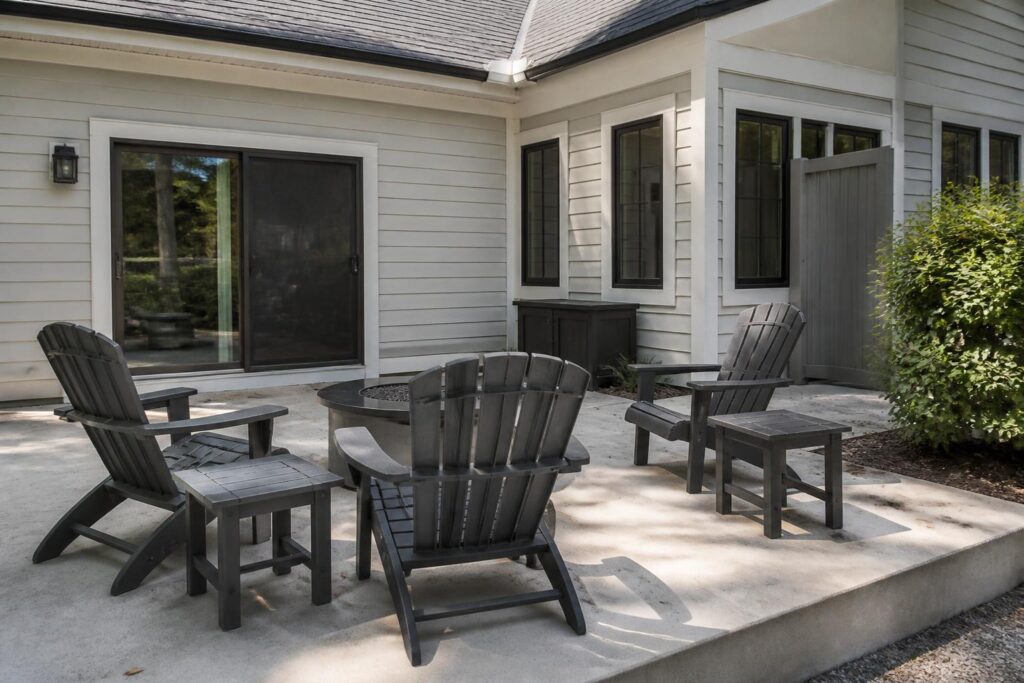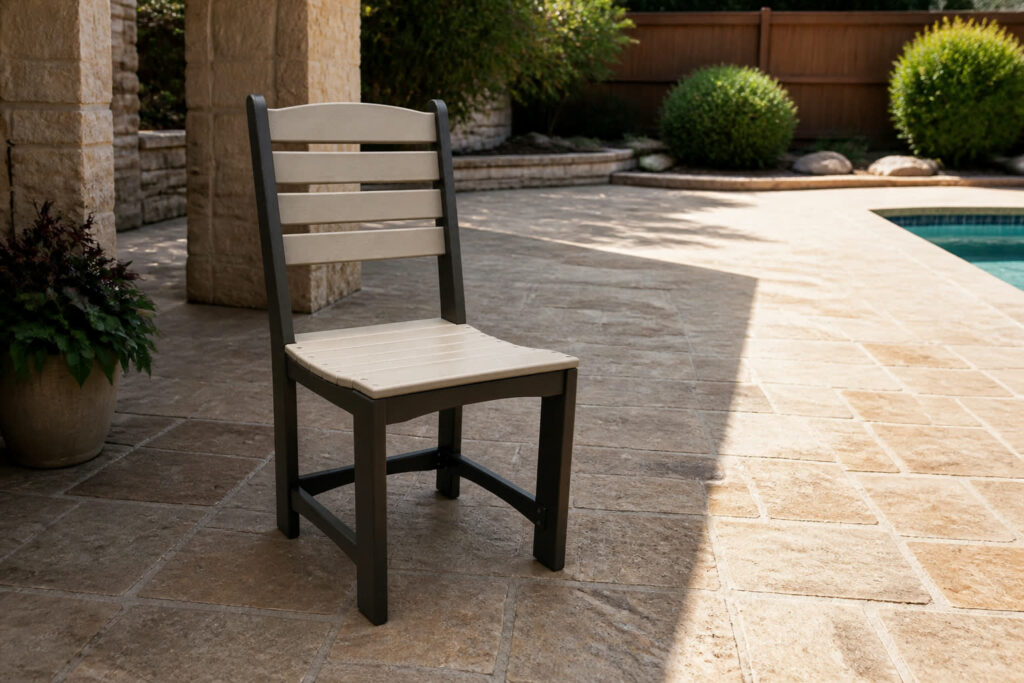
San Antonio patios have a distinct set of demands. Long stretches of bright sun, hot masonry, and expansive stone or concrete surfaces can make a beautiful outdoor area harder to furnish well than people expect.
This guide to San Antonio patio furniture for heat and stone patios focuses on practical planning decisions that help outdoor spaces feel more comfortable in the afternoon, easier to move through, and better suited for everyday use. The goal is not just to fill a patio, but to choose pieces that work with the climate and the hardscape already in place.
Start with the realities of sun and stored heat
Stone patios look timeless, but they also hold heat. In San Antonio, the surface temperature of pavers, flagstone, concrete, and masonry can climb well beyond the air temperature during direct summer sun. That changes how a patio feels underfoot and how furniture functions after several hours outside.
Before picking layouts or finishes, it helps to look at when the space gets full sun and when nearby walls, fences, or trees begin to cast shade. A west-facing patio usually feels very different at 5 p.m. than an east-facing one does at the same time. If your outdoor area is used most often in late afternoon or early evening, that timing matters more than the total square footage.
For a broader look at choosing materials for hot conditions, see our guide to patio furniture for Texas heat. In a climate where heat can become a safety issue, basic planning around shade and use hours also aligns with common-sense outdoor precautions described by the National Weather Service heat safety guidance.
Choose materials that suit stone patios
On a stone patio, furniture should feel stable, substantial, and easy to live with. Lightweight pieces can slide more than expected on smooth surfaces, while some materials become less appealing after repeated exposure to strong sun, dust, and heat radiating upward from the ground.
Plastic Furniture To Go uses Marine Grade Polymer, an American Made material chosen for outdoor use. That matters on a San Antonio patio because the furniture is intended to handle regular exposure without the routine upkeep that some other materials demand. The collection also uses 3/16-inch stainless steel hardware and includes a 7-year structural warranty plus a 5-year fade warranty.
Weight is another useful part of patio planning, especially on hard surfaces where windy conditions, daily movement, and chair scraping are part of real use. Confirmed product weights show the kind of substance these pieces offer: the Hampton Adirondack Chair weighs 52 lb, the Armless Cafe Chair weighs 27 lb, the Counter Height Stool weighs 21 lb, and Hampton round and square end tables weigh 15 lb each.
Protect the look and function of the patio surface
Stone and decorative concrete are durable, but they still benefit from thoughtful furniture placement. The first rule is simple: avoid treating the patio like a storage pad. Overcrowding raises the odds of dragged chair legs, tight clearances, and constant repositioning.
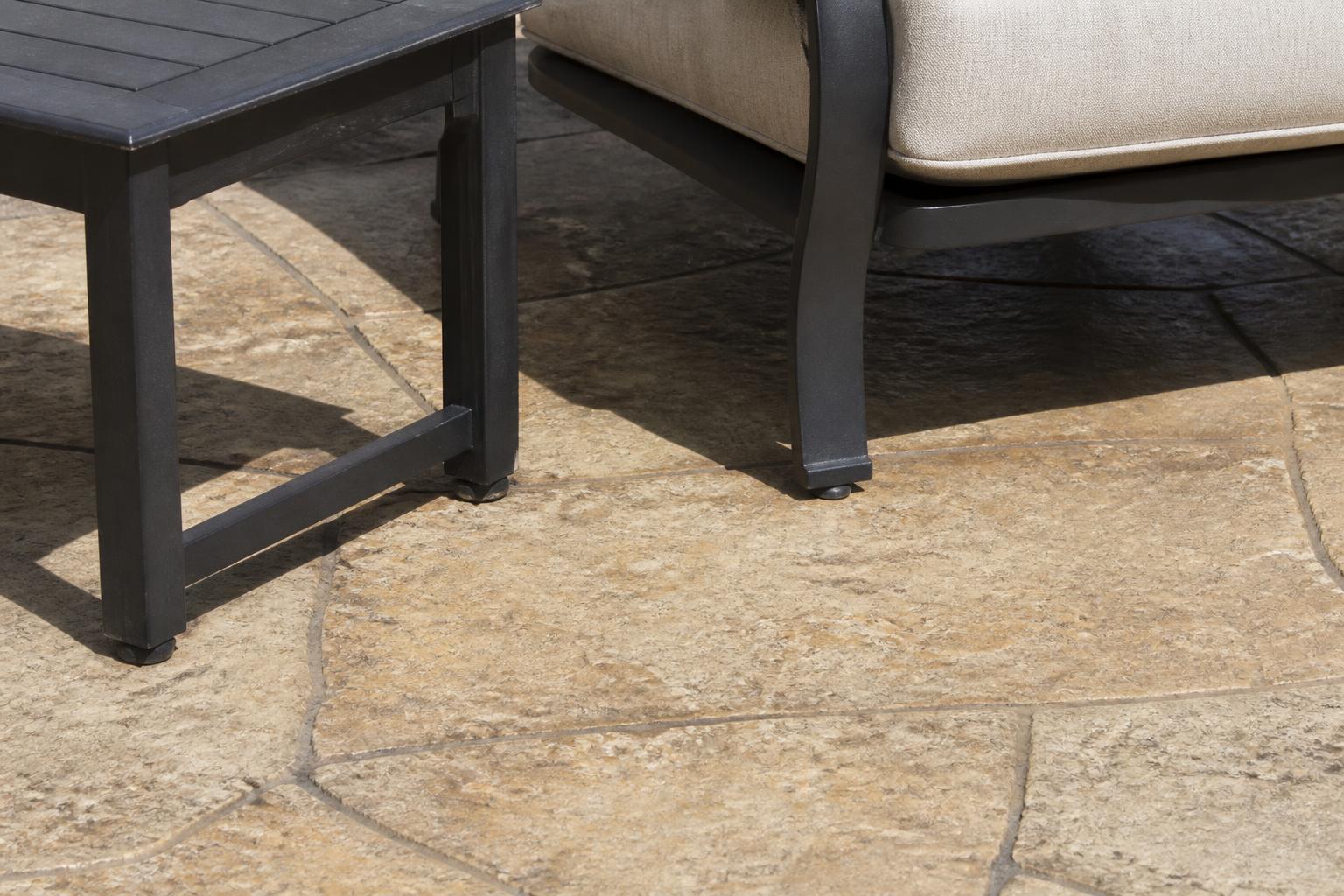
Instead, define use zones. Keep dining chairs where people can pull them out without bumping a planter wall. Place lounge seating where side tables are within reach, so drinks and small items do not end up on the ground. On irregular flagstone, check for uneven joints or low spots before settling on a final arrangement.
Furniture feet matter here too. On stone, small contact points can feel different from one section to another, particularly if the surface has texture or slight slope. A stable chair with a good footprint is usually easier to place than a narrow, tippy alternative. If you are planning an Adirondack setup, pairing seating with a compact side surface like the Hampton Round End Table can reduce unnecessary movement across the patio because the essentials stay close at hand.
Use shade as part of the furniture plan, not an afterthought
Shade changes everything on a San Antonio patio. It affects comfort, seat choice, layout, and how often the space actually gets used. The biggest mistake is choosing furniture first and trying to fit shade around it later.
Start by identifying the area where people naturally want to sit the longest. That is the zone that should get the best shade coverage. If your patio has a covered section plus an exposed extension, put the most stationary seating in the protected area and use the open section for flexible pieces that can be shifted by season or time of day.
This is also where furniture style matters. Deep lounging pieces placed in direct western sun may sit empty until after sunset, while a dining or cafe grouping can still work well in a brighter area because people tend to use it for shorter periods. Counter-height seating can be useful near outdoor kitchens or bar ledges, especially when that zone gets intermittent shade rather than all-day protection.
Good shade planning also means preserving airflow. Leave enough space around chairs and tables so the covered portion of the patio does not feel packed or stagnant. San Antonio heat feels more manageable when people can move easily, pull out a chair without friction, and shift from sun to shade without stepping through a maze of furniture.
Pick colors with sunlight and stone tones in mind
Color selection on a stone patio is not only a style decision. It shapes how the whole area reads in bright sun and in the warmer light of evening. San Antonio homes often feature tan, cream, gray, buff, charcoal, or mixed earth-tone hardscapes. Furniture that clashes with those base tones can make even a well-built patio feel unsettled.
A practical approach is to work from the permanent finishes first: stone color variation, mortar tone, trim color, roofline, and any masonry columns or retaining walls. Then choose furniture colors that either echo those materials or create measured contrast. A dark frame tone can visually anchor a bright patio, while a lighter neutral may soften a space that already has a lot of visual weight from stone and stucco.
Think about timing too. Midday sun tends to flatten subtle differences, but early evening can bring out undertones in both furniture and hardscape. If the patio is used after dinner, favor combinations that still look balanced in lower light. The best result usually feels calm and intentional rather than high-contrast for its own sake.
Plan spacing for circulation, not just seat count
One common problem on stone patios is overfurnishing. A patio may have enough square footage for several pieces on paper, but once chairs are occupied and pathways are needed, the space can become awkward fast.
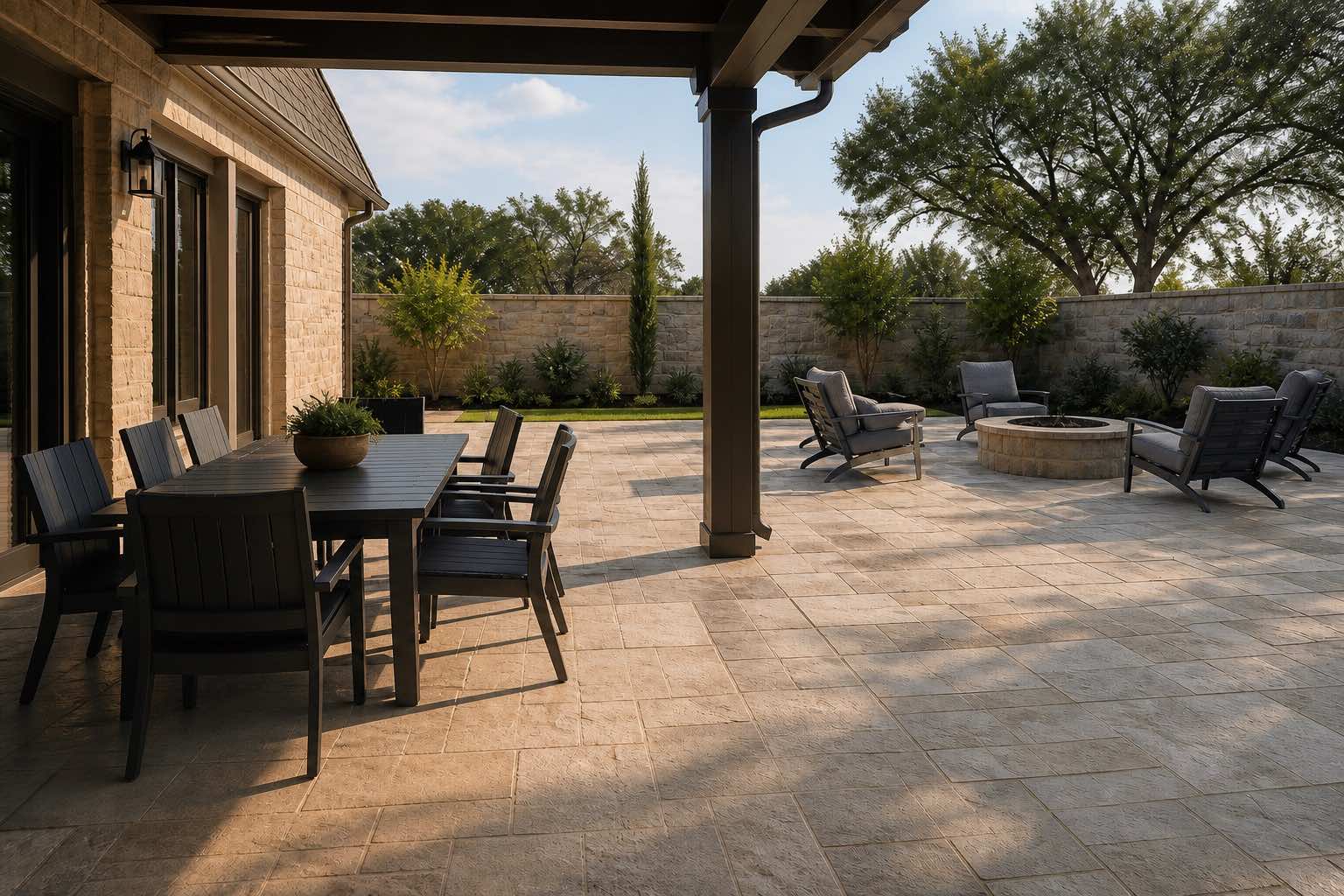
Begin with the main route from the house to the yard, grill, gate, or steps. That path should stay clear without requiring guests to turn sideways around chair backs. Next, allow enough room behind dining or cafe seating so chairs can move without scraping into walls, columns, or adjacent furniture.
For lounge areas, side tables help maintain order. A well-placed end table can reduce the tendency to drag chairs closer together or farther apart every time the space is used. This is especially helpful on stone, where repeated shifting creates wear patterns and general frustration.
If the patio is long and narrow, break it into two smaller groupings instead of one oversized arrangement. If it is broad and open, resist pushing everything to the perimeter. Floating a furniture group inward can make a large stone expanse feel more comfortable and less exposed.
Think ahead to evening use and seasonal patterns
San Antonio patios often become more enjoyable after the strongest sun passes. That makes evening use a major planning factor. Furniture should support the way people actually gather at that time of day, whether that means quiet seating, drinks and conversation, or casual outdoor dining.
Look at where low-angle sun lands in the late afternoon and where heat lingers longest in the hardscape. A seating area that seems fine at noon under partial shade may still radiate warmth at sunset if it sits over a large field of sun-soaked stone. Sometimes moving a grouping just a few feet closer to a planting bed, wall shade line, or covered section improves comfort more than changing the furniture itself.
Lighting also affects arrangement. Leave room for pathway lighting, door swings, and visual sight lines back to the house. On an evening patio, people should be able to set down a drink, adjust a chair, and walk through the space without guessing where the edges are. Heavier, well-proportioned furniture tends to feel more settled and intentional in those conditions than pieces that look temporary or undersized.
Build a patio setup that is easy to maintain
The best outdoor furniture plan is the one you keep using. That usually means choosing pieces that do not create extra chores and arranging them in a way that is simple to live with week after week.
On stone patios, dust, pollen, leaves, and normal outdoor debris collect in corners and around furniture feet. A layout with sensible spacing makes routine cleanup easier. Fewer cramped gaps also mean fewer places where debris gets trapped and where chairs need to be dragged out of the way to tidy up the space.
It also helps to choose a furniture mix based on real habits. If the patio is mainly a morning coffee spot, two comfortable chairs and an end table may serve better than a full dining set. If the space is used for neighborhood visits in the evening, combine conversational seating with a few movable accent pieces instead of committing every square foot to one rigid arrangement.
Plastic Furniture To Go is a factory-direct brand with free nationwide shipping, so homeowners can focus on selecting pieces that fit the patio rather than planning around a local showroom visit. The company does not maintain a public showroom or phone ordering model, which keeps the buying process centered on product details and online selection.
Frequently Asked Questions
What type of patio furniture works best on hot stone surfaces?
Pieces with stable footing, practical weight, and durable outdoor material tend to work well. On stone patios, furniture should feel secure, resist everyday weather exposure, and fit the layout without constant dragging or repositioning.
Is heavier furniture better for a San Antonio patio?
In many cases, yes. More substantial furniture can feel steadier on hard surfaces and less prone to shifting during regular use. Product weight should be considered along with chair style, patio slope, and how often the furniture will be moved.
How much shade should a patio seating area have?
The seating people use the longest should get the best shade coverage. For many homes, that means prioritizing shade over lounge seating first, then placing shorter-use dining or cafe pieces in brighter areas if needed.
How do I start choosing the right layout?
Start with traffic flow, sun direction, and the times of day you actually use the patio. Then build around one main activity zone instead of trying to furnish every open area at once. If you are ready to compare options, browse the shop or use the website contact form to ask about the best fit for your space.