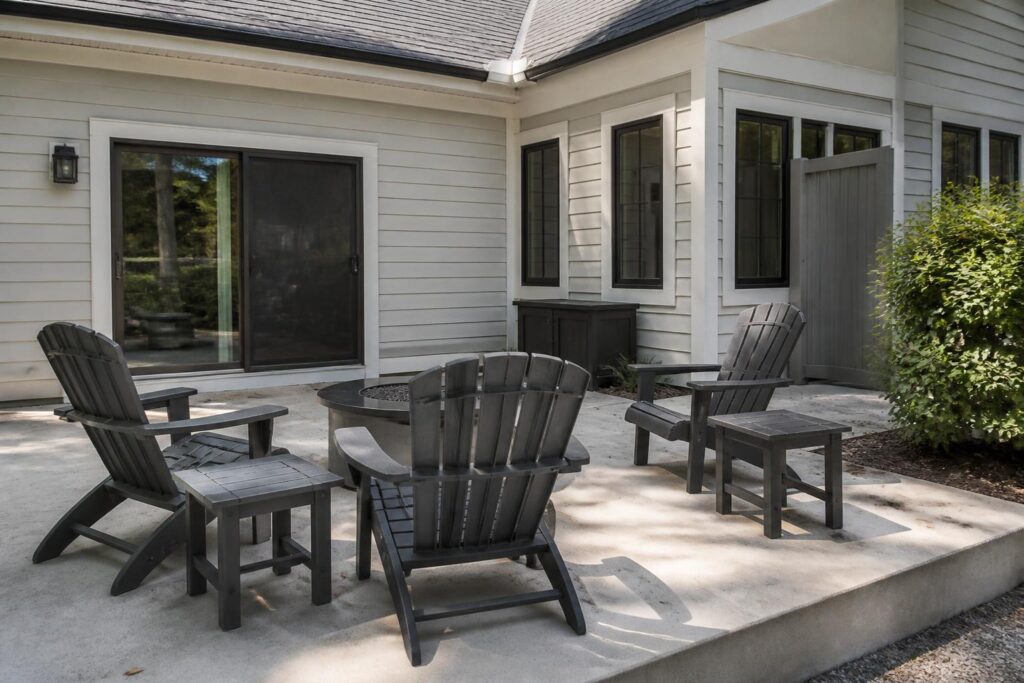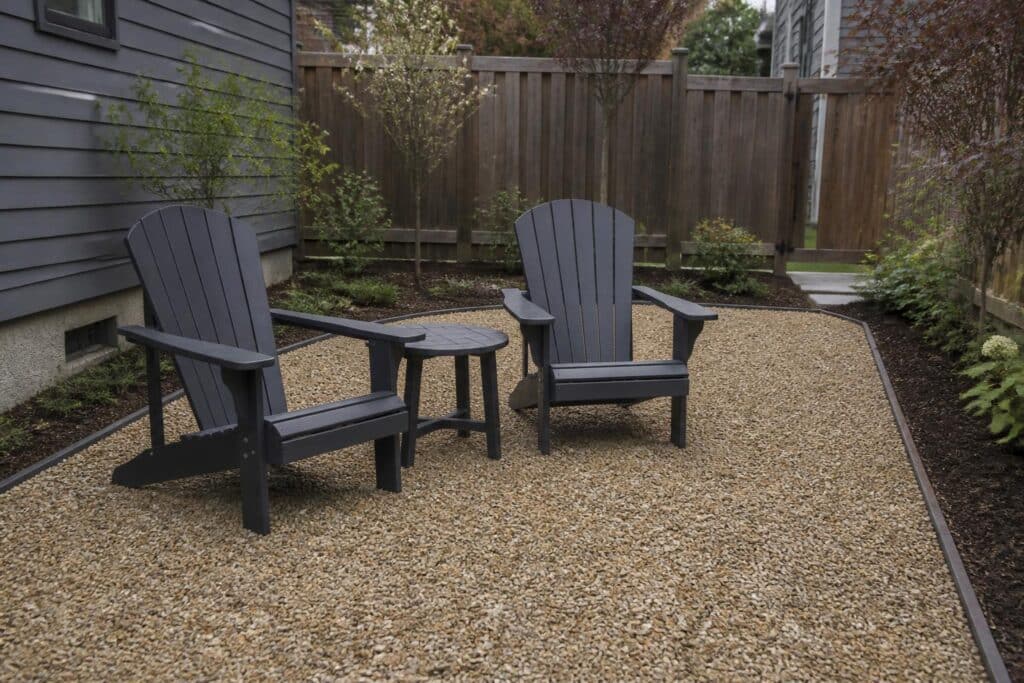
Using outdoor furniture on pea gravel can work well when the space is planned for stability instead of treated like a quick drop zone. A few smart choices in the base, the border, and the furniture itself can turn a loose surface into a seating area that feels tidy and dependable.
Pea gravel has a casual look that fits patios, fire pit areas, garden seating spots, and side yards. It also drains well and is often easier to install than a poured slab. The tradeoff is movement underfoot and under furniture legs, so the goal is to reduce shifting without losing the relaxed look that makes pea gravel appealing in the first place.
Start with the surface under the gravel
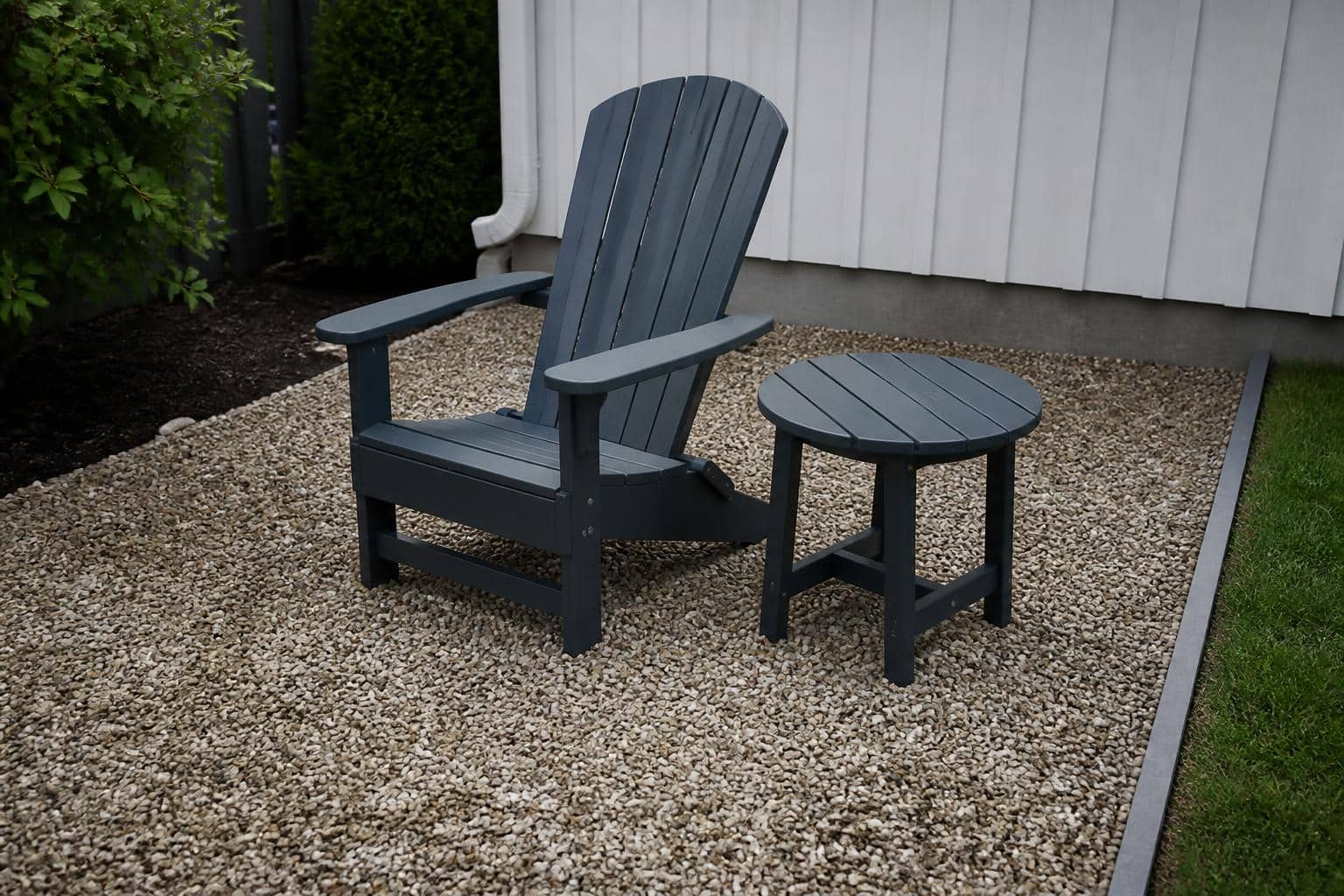
The biggest stability mistake happens before the gravel is even spread. If pea gravel sits directly on soft soil, furniture legs will wander, chairs will rock, and low spots will show up fast after rain or regular use. A more dependable setup starts with a prepared base that supports the gravel and keeps it from sinking into the ground below.
For most seating zones, it helps to excavate the area, level it, and build up a compacted foundation beneath the top layer of pea gravel. That way the gravel becomes the finish surface, not the whole structure. A proper base also gives edging something solid to hold against, which keeps the seating area from slowly spreading into nearby lawn or planting beds.
The goal is not to make pea gravel act like concrete. The goal is to create a firm, even field that limits deep shifting when someone sits down, stands up, or slides a chair a few inches. If you are planning a dedicated outdoor room, spending extra time on the sub-base usually improves the daily experience more than any decorative upgrade.
Use enough depth, but not too much
Pea gravel needs enough depth to cover the base evenly and create a finished look, but too much loose material can make furniture feel unstable. A very deep layer allows legs and feet to push aside the gravel instead of resting on a settled surface. That is when tables start to wobble and chairs leave trenches.
A shallower, controlled top layer over a compacted base is usually easier to live with than a thick bed of loose stone. After the gravel is installed, rake it level and test the area with the exact furniture arrangement you plan to use most often. Small adjustments at this stage can save a lot of annoyance later.
If one corner feels soft, remove a little gravel, correct the underlying grade, and refill rather than simply adding more stone on top. More material does not always mean more stability. A flatter and better-supported surface is what you want.
Edging keeps the seating zone intact
Without edging, pea gravel tends to migrate. Shoes kick it into the yard, rain nudges it downhill, and furniture movement slowly pushes it past the intended perimeter. A defined edge helps the whole setup last longer and look cleaner.
Edging can be subtle or more architectural, but it should create a clear boundary that holds the gravel in place. This is especially helpful near stepping paths, pavers, and planting beds where loose stone can become messy. A contained footprint also makes routine maintenance faster because you are re-leveling a known area instead of chasing scattered gravel.
For seating spaces, edging has another benefit: it visually tells people where the furniture belongs. That sounds simple, but it helps prevent chairs from being dragged into thinner gravel areas or onto soft borders where they become less stable.
Choose furniture with broad contact points and real weight
Not every patio piece behaves the same way on gravel. Lightweight furniture with tiny feet may seem easy to move, but it can also settle unevenly and feel less planted. On pea gravel, broader contact points and a bit of real weight generally create a better experience.
That is one reason many buyers prefer American Made outdoor furniture built from Marine Grade Polymer with stainless steel hardware. Plastic Furniture To Go uses 3/16-inch stainless steel hardware and offers free nationwide shipping, a 7-year structural warranty, and a 5-year fade warranty, which gives shoppers clear information when comparing options for exposed outdoor areas.
Weight can also be helpful on a loose surface. The Hampton Adirondack Chair weighs 52 lb, which can help it feel substantial in a pea-gravel seating area. For smaller companion pieces, the Hampton Round End Table weighs 15 lb. Those numbers do not guarantee performance on every site, but they do show that these pieces are not feather-light placeholders that skitter around with every adjustment.
Other confirmed product weights can also help with planning. The Armless Cafe Chair weighs 27 lb, the Counter Height Stool weighs 21 lb, and Hampton round and square end tables weigh 15 lb each. When you are choosing furniture for gravel, look for a setup that feels intentional and grounded rather than overly delicate.
Add pads or stabilizing discs where needed
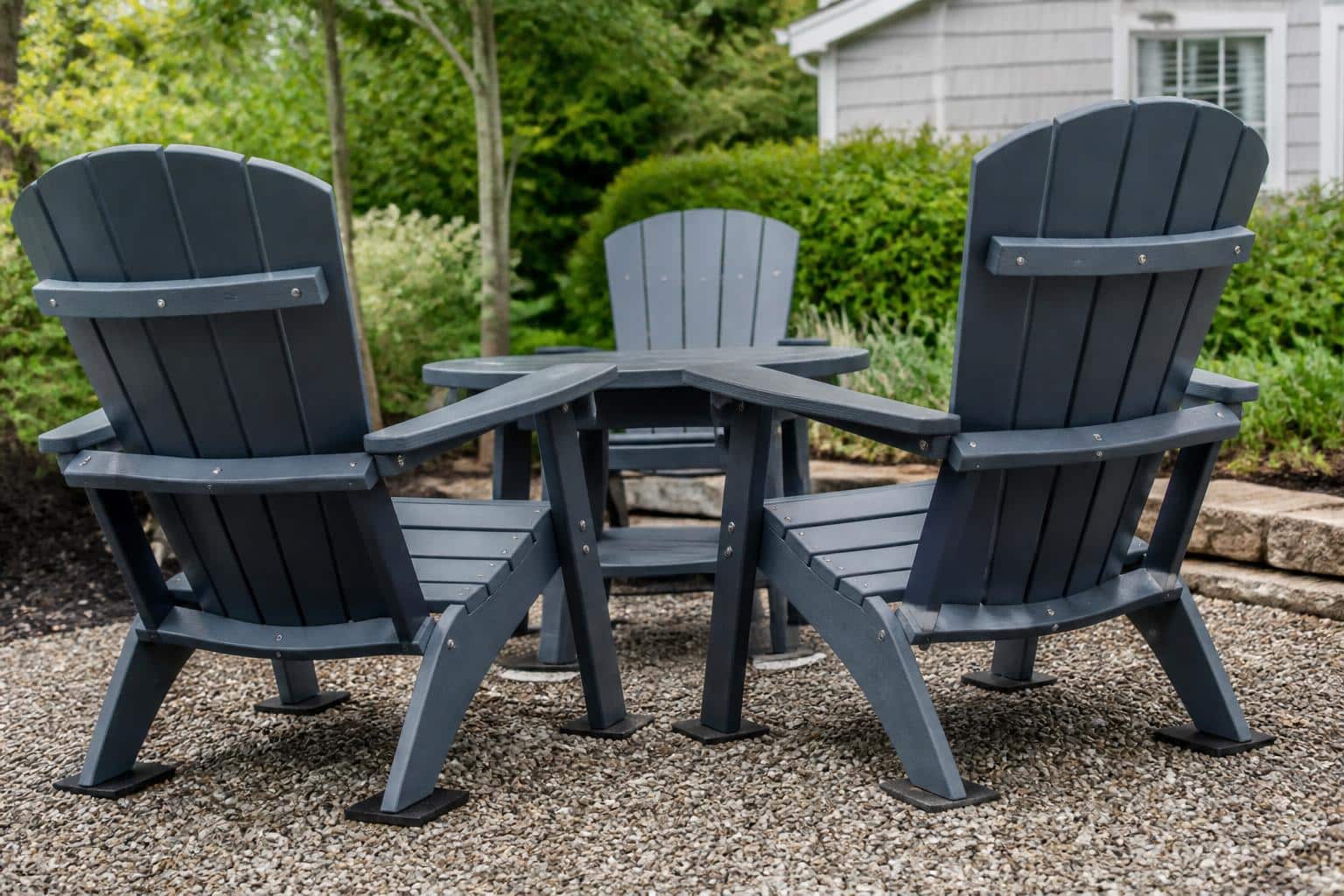
Even on a well-prepared pea-gravel surface, some furniture layouts benefit from simple pads or stabilizing discs under the feet. These spread the load over a slightly wider area and can reduce sinking, especially under dining chairs or small tables that get moved often.
The best use for pads is selective, not excessive. You do not want to create a patchwork of awkward supports that catch the eye or interfere with cleaning. Instead, use them where motion is concentrated, such as under front chair feet in a conversation area or beneath a side table that tends to rock after use.
If you try pads, keep them consistent from piece to piece so the arrangement still feels balanced. Test them after raking and after a week or two of normal use. On gravel, tiny changes in level can become noticeable quickly, so it is worth checking whether the support is still doing its job.
Plan clear walking routes through the space
A stable seating zone is not only about where the furniture sits. It is also about how people move around it. If the route into the area cuts directly through chair legs or forces people to step into deep loose gravel, the surface will shift more and the arrangement will get disturbed faster.
Think about the main approach path first. Then place chairs, tables, and accents so people can enter, sit, and stand without scraping every piece across the stone. A simple loop around the seating group often works better than a dead-end layout where everyone pivots in one tight spot.
If accessibility is part of your planning, review the ADA accessible routes guidance while thinking through connections to firmer walkways and transitions. Pea gravel is not the easiest surface for all users, so clearly defined routes and stable adjoining surfaces are worth considering early.
Furniture scale also affects circulation. A deeper lounge chair can be perfect for a fire pit corner, while smaller-profile seating may fit better where the path is narrow. The point is to design movement into the space instead of treating it as an afterthought.
Rake, reset, and inspect the area routinely
Pea gravel looks best when it is maintained lightly and often. A quick rake smooths traffic marks, redistributes displaced stone, and helps you catch low spots before they turn into permanent trouble areas. This is especially useful after storms, heavy gatherings, or a season of frequent use.
Routine checks should include furniture feet, table level, edge containment, and any pads or discs you have added. If one piece starts to lean, fix the surface under it right away. Waiting usually means the depression gets deeper and the surrounding gravel becomes harder to level cleanly.
It also helps to reset the arrangement from time to time. Moving a chair a few inches or rotating the use pattern can reduce repeated wear in the same spots. On a loose finish surface, small maintenance habits tend to protect both the look of the seating zone and the day-to-day comfort of using it.
Match the setup to the kind of seating area you want
Pea gravel works best when the furniture plan suits the space. For a quiet reading corner, a heavier Adirondack chair with an end table can feel settled and simple. For casual coffee seating, a pair of chairs with enough room to step in and out comfortably may be all you need. For dining or frequent rearranging, be more intentional about foot support and traffic lanes since the pieces will move more often.
It is also smart to think in terms of furniture zones rather than filling the entire gravel area with pieces. Leaving open margins near the edge reduces crowding and gives you room to re-rake without disturbing everything. The result is a cleaner layout that feels easier to maintain.
Marine Grade Polymer furniture is especially appealing for this kind of outdoor space because it suits practical, everyday use without asking for a precious setting. On gravel, that straightforward durability pairs well with a surface that is meant to be lived on, adjusted, and refreshed as needed through the seasons.
Frequently Asked Questions
Does pea gravel make patio furniture wobble?
It can, especially if the gravel is deep, loose, or installed over soft soil. A compacted base, contained edges, and furniture with broader feet usually improve stability a lot.
What type of furniture works best on pea gravel?
Pieces with a grounded feel, broader contact points, and enough weight to stay settled usually perform better than very light furniture with narrow feet. For example, the Hampton Adirondack Chair weighs 52 lb, which can be useful in a pea-gravel seating area.
Should I put something under furniture legs on gravel?
Sometimes, yes. Pads or stabilizing discs can help under chairs or tables that shift often or develop a slight wobble. They work best as a targeted fix rather than under every piece automatically.
How do I keep a pea-gravel seating area looking neat?
Use edging to contain the stone, rake the surface regularly, refill low areas as needed, and keep clear walking routes so people are not dragging furniture through the gravel every time they use the space.
Shop American Made outdoor seating and tables designed for practical outdoor use at Plastic Furniture To Go and build a pea-gravel setup that looks finished, feels steady, and ships free nationwide.