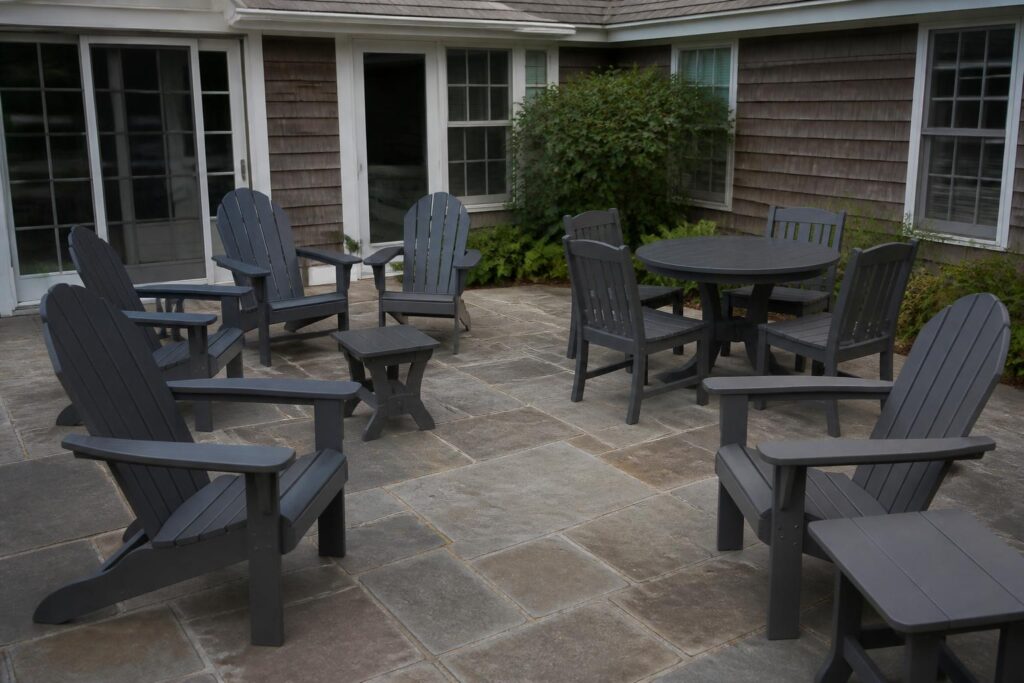
Ordering in stages is common, especially when you want to expand a patio over time instead of buying everything at once. If you need to match patio furniture colors across orders, a little planning can help you avoid a setup that looks close online but noticeably off in person.
The good news is that color matching gets easier when you compare product names carefully, check photos in natural light, keep old order details, and think honestly about how existing furniture has aged outdoors. Here is a practical way to shop for additions with fewer surprises.
Start with the exact product and color name
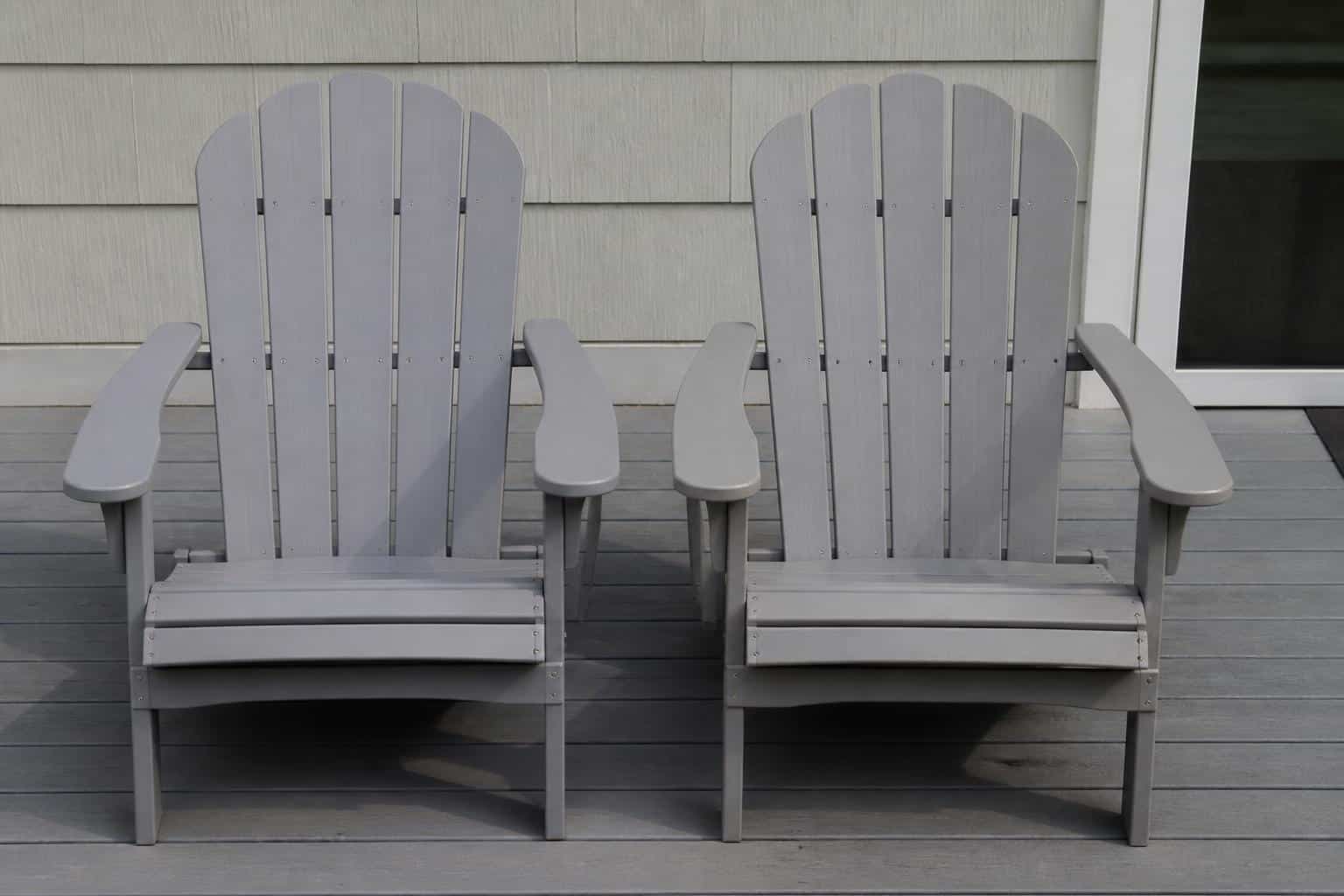
The first step is simple but important: confirm the exact product name and the exact color name from your earlier purchase. “White,” “gray,” or “brown” sounds straightforward, but many outdoor collections use shades that are warmer, cooler, lighter, or darker than you may remember. A chair from one collection can also look different next to a table from another, even when the color family sounds similar.
If you still have the original order confirmation, use it. If not, check your account records, saved email receipts, or old shipping messages. Product pages can change over time, so relying on memory alone is risky.
For example, weight and profile can help identify what you already own if the name is fuzzy. Plastic Furniture To Go lists confirmed product weights such as the Hampton Adirondack Chair at 52 lb, the Armless Cafe Chair at 27 lb, the Counter Height Stool at 21 lb, and Hampton round and square end tables at 15 lb each. Those details can help you verify that you are reordering the same item family before you even get to color.
If you are still building your layout, browsing the current shop collection side by side can help you compare names and silhouettes before placing a follow-up order.
Compare colors in daylight, not just on screens
One of the biggest reasons repeat orders feel mismatched is that screens are not neutral. Phone brightness, tablet settings, laptop display quality, and room lighting all change how a color appears. A shade that seems perfectly warm beige on one device might lean gray on another.
That is why daylight is your best reference point. Pull up the product image on more than one screen if possible, then step outside and compare it to your existing furniture in natural light. Morning, midday, and late afternoon can all shift what you notice, but daylight still gives you a more honest comparison than indoor bulbs.
Try to compare broad surfaces instead of edges or shadows. A top rail, seat back, or tabletop usually gives a truer sense of color than a tight crop or angled detail photo. If your current furniture is under a covered patio, move one piece into open daylight for a quick check. Even a few feet can change the way color reads.
This is especially helpful with Marine Grade Polymer furniture because outdoor pieces are often viewed in changing light throughout the day. A match that looks perfect at dusk may read differently at noon, so it is worth checking your expectations before you order.
Factor in weathering on the furniture you already own
If your older set has spent time in direct sun, near a pool, or under tree cover, what you see today may not be identical to what arrived originally. Dirt, pollen, sunscreen residue, and general outdoor exposure can all affect the way a surface looks. Sometimes a piece is not truly faded as much as it is carrying a subtle film that changes the color impression.
Clean your existing furniture before you judge the match. A basic wash can reveal that the original shade is closer to the current product photos than you thought. If you are comparing an older side table with a newer chair, clean both visible faces and let them dry fully before making a decision.
It also helps to be realistic about age difference. A new order may look slightly fresher simply because it is new. Plastic Furniture To Go offers a 5-year fade warranty and a 7-year structural warranty, but that does not mean an older piece and a brand-new piece will always appear visually identical after years of different exposure patterns. Placement, shade coverage, and cleaning habits all influence appearance over time.
If a color continuity question is tied to wear, not product naming, refreshing your expectations may be more useful than chasing an exact visual clone.
Use past order records and current product photos together
Color matching is easier when you combine your own documentation with what is currently shown online. If you took photos when your first order arrived, those can be extremely helpful. Look for images taken outdoors on a neutral day, not heavily filtered social posts or evening snapshots under string lights.
Try this process:
First, find your old order confirmation and match the item names. Second, compare any original arrival photos to the current product images. Third, place your existing furniture in daylight and compare it again. This three-part check often reveals whether you are dealing with a true product-color mismatch concern or simply the normal effects of lighting and age.
If your order history is incomplete, the shipping record can still help you narrow timing and product family. Review the brand’s shipping policy if you want a clearer sense of how current orders are handled and what information to save for future additions.
Going forward, create a simple patio record for yourself: item name, color name, order date, and one clear outdoor photo. That small habit can save a lot of guesswork when you want to add dining chairs, a stool, or an end table later.
Ask for clarity before you place a repeat order

When exact continuity matters, do not rush the cart. Reach out and confirm what you can before ordering. The most useful question is usually not “Will it match?” but “I previously ordered this exact item and color name on this date; is this the same listed color name today?” That gives customer support something concrete to compare.
It is also smart to ask whether the item you are considering is from the same collection or whether you are mixing lines that may have slightly different proportions and visual cues. A color can appear different when the shape changes, because broader arms, taller backs, and thicker slats reflect light differently.
Plastic Furniture To Go is a factory-direct ecommerce brand, so using the online contact page is the best way to document your question and keep your reference in writing. That can be useful later if you continue building out the space in stages.
If you ever run into a broader online shopping dispute with any retailer, general consumer guidance is available from consumer complaint resources. Most of the time, though, better pre-order documentation solves the problem long before that point.
Know when exact matching is realistic and when it is not
Some shoppers want every chair, table, and stool to look as if they arrived on the same truck. That can be realistic when you are reordering the same product in the same named color within a short time frame and comparing it under similar conditions. It becomes less realistic when you are matching across years, across different product lines, or against furniture that has lived through noticeably different outdoor conditions.
Exact continuity is also harder when your patio includes mixed function pieces. Dining chairs, Adirondacks, counter stools, and end tables do not show color in the same way because their surface areas and viewing angles are different. The 52 lb Hampton Adirondack Chair presents a lot more visible color than a 15 lb Hampton end table, so even a coordinated finish can feel different at first glance.
That does not mean the order is wrong. It often means the eye is comparing shape and scale as much as color. When you understand that upfront, you can judge your new pieces more fairly once they arrive.
Use intentional contrast if perfect continuity is uncertain
Sometimes the best design choice is not forcing an almost-match. If you are unsure whether a new order will blend seamlessly with older pieces, an intentional contrast can look more polished than a near miss. Instead of trying to duplicate every shade, you can build a patio that looks planned.
For example, you might keep lounge seating in one established color and add accent tables in a different but complementary tone. Or you might group dining furniture together in one finish while letting side pieces provide contrast. This approach works especially well when your existing furniture has naturally weathered to a softer look over time.
Contrast is also practical for phased buying. If your first order was years ago and your second order serves a different purpose, coordinated variety can make the space feel updated rather than patched together. The goal is consistency of style and balance, not necessarily identical color on every piece.
When you choose contrast on purpose, the eye reads the arrangement as design rather than discrepancy. That can take a lot of pressure off the matching process.
Plan your next order so future additions are easier
The easiest time to prevent color confusion is before the next expansion. Save every confirmation email, note the exact names of products and colors, and keep a few daylight photos after delivery. Photograph each piece alone and then as part of the full patio setup. Those pictures become your baseline later.
You can also group your wishlist by collection. If you think you may eventually add a pair of cafe chairs, a counter-height setup, or matching end tables, keeping those possibilities within the same visual family makes future ordering simpler. Paying attention to the hardware and build details can also help confirm product identity; Plastic Furniture To Go uses 3/16-inch stainless steel hardware on its furniture.
Since the brand offers free nationwide shipping and sells factory-direct online, it makes sense to treat each order like part of a longer plan. Good records turn a second or third purchase from a guessing game into a more confident decision.
Frequently Asked Questions
Will furniture in the same color name always look identical across orders?
Not always to the eye, especially if your older furniture has seen different light exposure, cleaning patterns, or general outdoor use. Matching the exact product and color name gives you the best starting point, but daylight, age, and product shape can still affect how similar pieces appear side by side.
Should I trust my phone screen for color matching?
Use it only as a starting point. Screens vary a lot, so compare on multiple devices and then check your existing furniture outside in natural light. Daylight gives you a more accurate sense of whether the new order is likely to coordinate.
What if I no longer know what I ordered the first time?
Search old email confirmations, shipping notices, or saved photos. Product weight can also help identify certain items, such as the Hampton Adirondack Chair at 52 lb or the Armless Cafe Chair at 27 lb. Once you know the exact item family, color comparison gets much easier.
Is it better to try for a near match or choose a contrasting color?
If you are unsure about exact continuity, intentional contrast often looks better than an almost-match. Keeping style and collection cues consistent while using a complementary color can make the patio feel thoughtfully designed.
Shop current outdoor furniture options at /shop/, or use the contact page if you want written help confirming a past product or color before placing your next order.