

Pollen season can leave patios looking dusty overnight. If you want to patio furniture pollen season maintenance without smearing yellow film across every surface, a simple routine works better than aggressive scrubbing.
The goal is to lift loose buildup first, then wash gently, and finally check seams, joints, and hardware where pollen likes to hide. For American Made pieces built from Marine Grade Polymer furniture, that approach helps keep outdoor seating and tables looking neat through the heavy part of the season.
Start with a dry cleanup before you add water
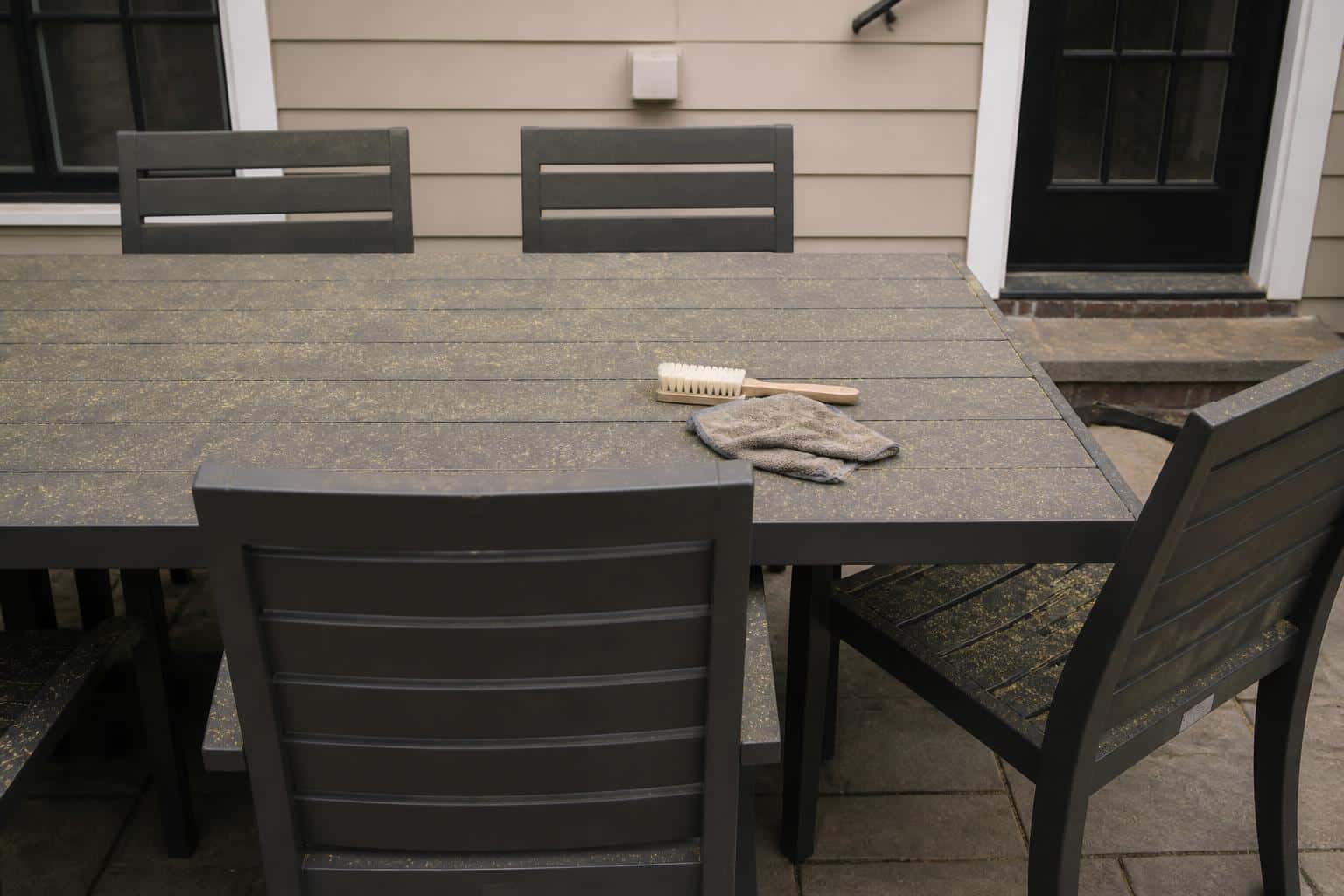
The biggest mistake people make is spraying furniture immediately. Water turns loose pollen into a paste, and that paste can carry grit across the surface while you wipe. A dry-first routine is usually faster and cleaner.
Begin by removing cushions, decor, planters, or anything sitting on the furniture. Then use a soft dry cloth, a clean microfiber towel, or a soft brush to sweep away loose pollen. Work from the top down so debris falls onto areas you have not cleaned yet. On chairs, that means the top rail, arms, seat, front edge, and legs. On tables, start at the center of the top and move outward before cleaning the apron and legs.
If pollen is especially heavy, you can use a handheld blower on a gentle setting or a soft brush reserved for outdoor furniture. The point is to move debris off the surface without grinding it in. Take an extra moment around corners, slats, and any transition points where dust gathers.
This first dry pass makes the wet cleaning step much easier and helps reduce streaks.
Use mild soap and lukewarm water for the main wash
Once the loose layer is gone, wash the furniture with mild soap and water. A small amount of dish soap mixed into a bucket of lukewarm water is usually enough for seasonal pollen. Dip a soft sponge or microfiber cloth into the solution, wring it out, and wipe the surface evenly.
Avoid harsh cleaners, gritty powders, or stiff brushes. Pollen itself is light, but the dirt mixed in with it can act like an abrasive if you scrub too hard. Gentle pressure and repeated passes are better than trying to force everything off in one motion.
Rinse your cloth often so you are not redistributing yellow residue. If the rinse water starts looking cloudy, refresh the bucket. Clean one section at a time and follow the same top-to-bottom order you used during the dry cleanup.
For many households, a mild cleaner is all that is needed. If you prefer a product with a simpler ingredient profile, review options under the EPA Safer Choice program and still test any cleaner in a small, less noticeable area first.
Pay special attention to slats, seams, and undersides
Pollen does not only land on obvious flat surfaces. It settles into the spaces between slats, around the underside of arms, below tabletops, and along the inside edges of legs. If you skip those zones, the next breeze can blow dust back onto the areas you just cleaned.
Use a folded microfiber cloth or soft brush to reach narrow gaps. For chairs with contoured seats or detailed backs, wipe along the shape instead of across it so you can get into the edges more effectively. Turn side tables and dining pieces slightly so you can see the lower rails and inner corners.
This is also the time to check the underside of the furniture. Pollen often mixes with cobwebs, leaf bits, and general outdoor dust there. A quick pass underneath helps the entire setup feel cleaner, not just the visible top surfaces.
If you have several pieces grouped together, pull them apart while cleaning. That lets you wash hidden sides and prevents debris from transferring from one piece to another as you work.
Clean around joints and stainless steel hardware carefully
Outdoor furniture naturally has spots where panels meet and hardware is installed. Those areas catch fine debris during spring and summer, so they deserve a closer look during pollen season.
Plastic Furniture To Go furniture uses 3/16-inch stainless steel hardware, which helps support outdoor durability. Even so, it is smart to wipe around hardware rather than ignoring it. Use your mild soap solution and a soft cloth to clean around screw heads, connection points, and joints where pollen collects.
If residue remains in a tight seam, use a soft brush with light pressure to loosen it, then wipe it away with a damp cloth. Do not use metal picks, harsh pads, or anything that could mar the surrounding surface.
Once the area is clean, rinse with fresh water on a cloth or with a gentle flow from a hose if needed. The goal is not to flood the piece, but to remove leftover soap and fine dust from places where buildup tends to linger.
Rinse lightly and dry to avoid fresh residue
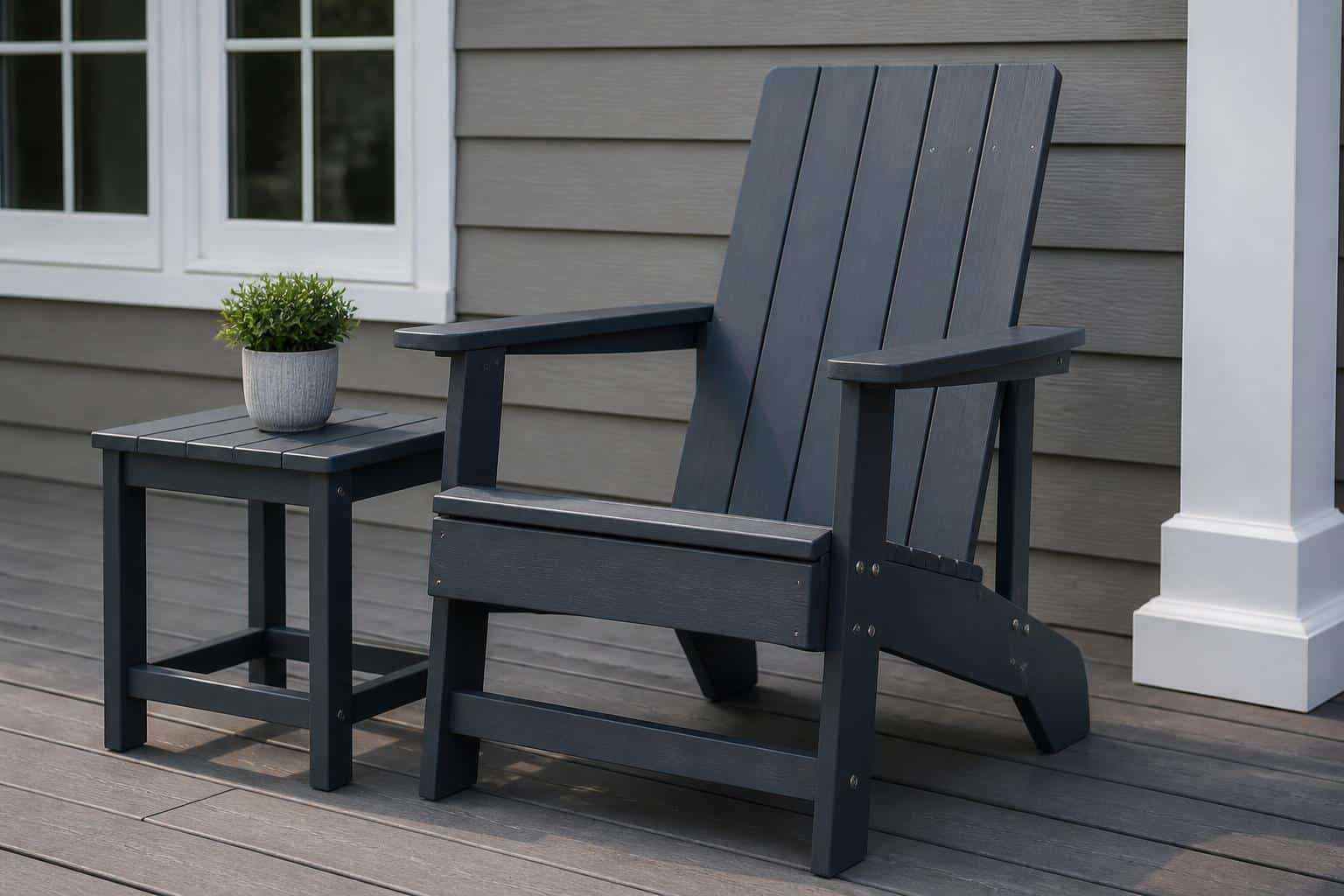
After washing, remove soap residue with clean water. A gentle rinse is enough. You do not need a forceful spray for routine pollen cleanup, and a lighter rinse gives you more control around joints and table edges.
If you use a hose, keep the stream moderate and work in a consistent direction so dirty water runs off instead of splashing back onto clean areas. If you are cleaning on a breezy day, rinse one item at a time to reduce the chance of new pollen settling before the piece dries.
Drying is an important final step. Use a soft clean towel to wipe away remaining water, especially in corners, under arms, and around hardware. Air drying is fine too, but towel drying can help prevent dusty spotting if airborne pollen is still active.
A quick final buff with a dry microfiber cloth often leaves the surface looking more even and removes any last traces of fine yellow film.
Build a simple weekly routine during peak pollen season
The easiest way to keep outdoor furniture clean is to avoid letting pollen pile up. During heavy bloom periods, a short weekly routine usually works better than waiting for a major cleanup day.
Try this pattern:
Day 1: dry dust the furniture with a microfiber cloth or soft brush.
Once each week: do the dry dusting first, then wash with mild soap and water if visible buildup remains.
After windy days: check seats, tabletops, and corners for fresh accumulation.
After rain: wipe down surfaces once they are no longer dripping, since rain can redistribute pollen into edges and seams instead of removing it fully.
This kind of maintenance does not take long, especially for a smaller patio set. It also helps larger pieces stay presentable. For example, a Hampton Adirondack Chair weighs 52 pounds, an Armless Cafe Chair weighs 27 pounds, a Counter Height Stool weighs 21 pounds, and Hampton round and square end tables weigh 15 pounds each. Since these are substantial outdoor pieces, regular in-place cleaning is often more practical than moving everything around for each touch-up.
Prevent future buildup with smart placement and quick habits
You cannot stop pollen, but you can make cleanup less frequent. Start by noticing which furniture surfaces collect the most dust. Pieces placed under overhanging trees, near shrubs, or along windy edges of a deck often need more attention than furniture in a more sheltered area.
When possible, brush off furniture before guests arrive rather than waiting until pollen is visible from across the yard. A two-minute wipe prevents heavier layering and keeps grime from bonding with moisture, sunscreen, food spills, and ordinary outdoor dust.
If you use covers, only put them on clean, dry furniture. Trapping pollen and moisture underneath can create more work later. If you do not use covers, try keeping a clean microfiber cloth in a nearby storage bench or indoor mudroom so quick wipe-downs are easy.
It also helps to keep surrounding surfaces cleaner. Sweeping the patio and clearing plant debris from around the furniture can reduce how much loose material blows back onto seats and tabletops.
What to avoid when cleaning outdoor furniture in pollen season
Good cleaning is often about avoiding the wrong methods. A few simple rules help protect the finish and save time.
Do not start by scrubbing a dry pollen-coated surface with heavy pressure. That can push grit around instead of removing it.
Do not use abrasive pads, harsh powdered cleansers, or strong chemicals unless the manufacturer specifically recommends them. For seasonal pollen, gentler products and tools are usually enough.
Do not forget the hidden areas. If the top looks clean but the undersides, seams, and joints still hold dust, the furniture can look dirty again quickly.
Do not rush the rinse and dry steps. Leftover soap can attract dust, and standing water in corners can leave a dull film after it evaporates.
Finally, do not assume every spring mess needs a deep restoration process. Most pollen cleanup is basic maintenance. A dry-first approach, mild wash, careful seam cleaning, and a light rinse are usually all it takes.
Frequently Asked Questions
Can I hose off pollen without wiping first?
You can, but it is usually better to remove loose pollen dry before adding water. That helps prevent smeared residue and reduces the chance of rubbing grit across the surface during washing.
How often should I clean outdoor furniture during pollen season?
In heavy pollen periods, a quick dry wipe once or twice a week is helpful. Add a mild soap-and-water wash whenever visible buildup remains after dusting or after windy and rainy weather leaves surfaces looking coated.
What kind of cleaner should I use?
For routine pollen, mild dish soap mixed with lukewarm water is a practical choice. Use a soft cloth or sponge and avoid abrasive tools or harsh cleaners unless a product is specifically appropriate for outdoor furniture surfaces.
Should I clean around hardware and joints every time?
Yes, at least briefly. Pollen collects in seams, corners, and around hardware faster than many people realize. A quick pass in those areas helps keep dust from blowing back onto the main surfaces later.
Shop durable outdoor pieces built for easy seasonal care at Plastic Furniture To Go, or contact us online if you want help choosing Marine Grade Polymer furniture for your space.

