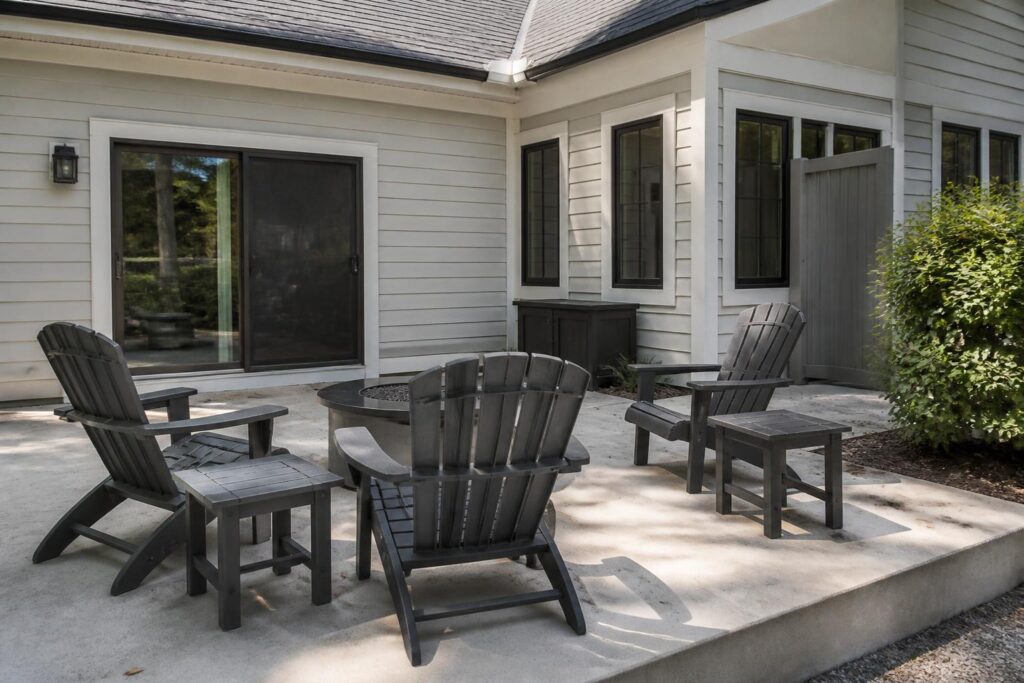
Lakefront patios are beautiful, but they ask more from outdoor furniture than many backyards do. A smart lakefront patio furniture wind storage plan starts with exposure, gust direction, and how quickly you can secure loose pieces before rough weather moves in.
Weight helps, but it should not be your only decision point. A better plan combines heavier seating where you use it most, smaller-piece inventory control, practical storage access, and a simple pre-storm routine that is easy to follow.
Start with exposure, not just furniture weight
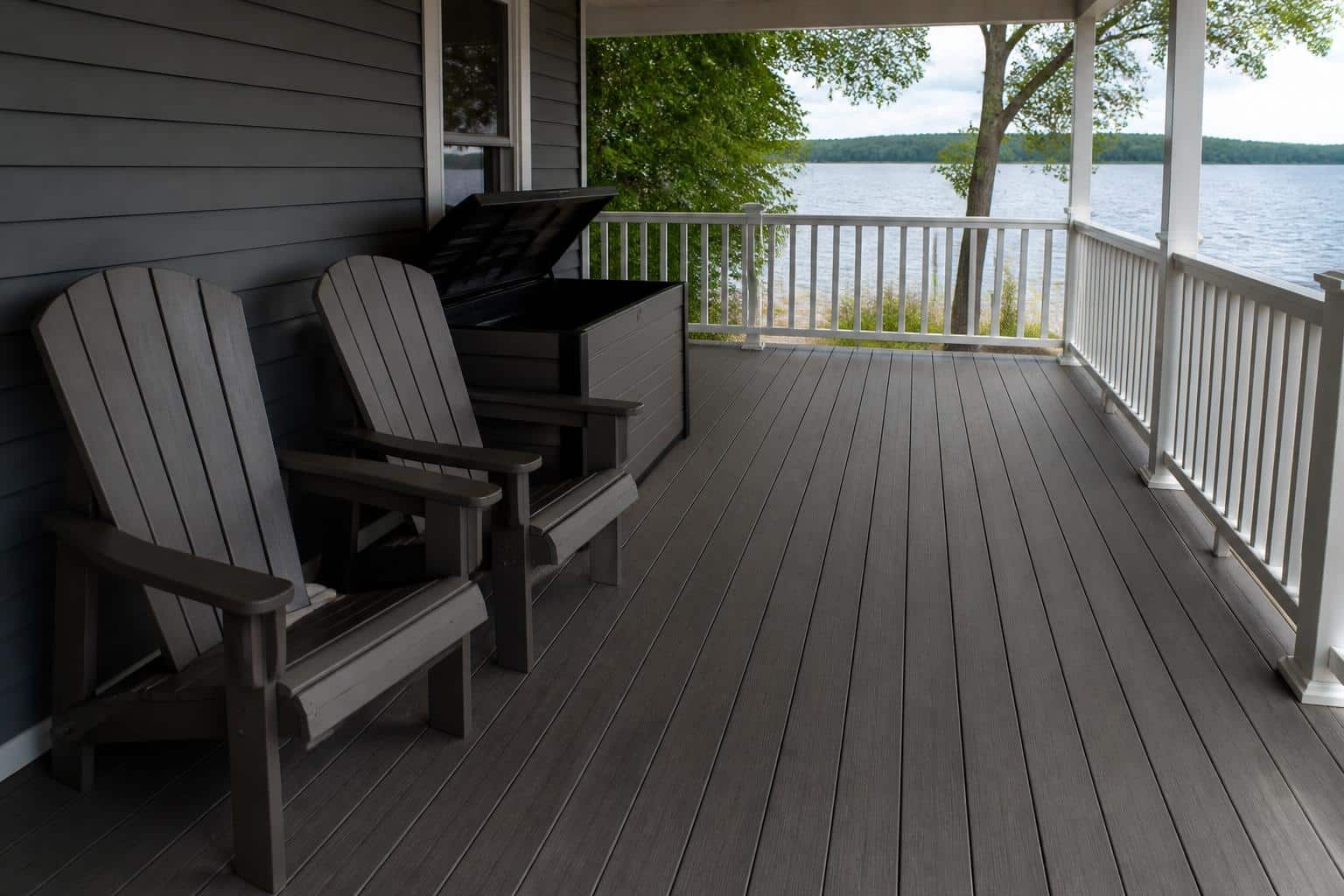
Open water changes how wind behaves around a patio. Gusts often move across the lake with less interruption, then accelerate as they reach decks, docks, and open seating areas. That means a chair that feels stable on an inland patio may need a more thoughtful placement strategy at the water.
Begin by standing in the space and identifying the most exposed edges. Look for corners that catch crosswinds, rail openings that funnel air, and stretches with no visual or structural break between the lake and your furniture. If your patio sits on a bluff, near a seawall, or above a dock line, expect stronger push from gusts than you would in a more sheltered yard.
This is where product weight becomes part of the conversation rather than the whole conversation. Plastic Furniture To Go offers substantial American Made pieces built with Marine Grade Polymer and 3/16-inch stainless steel hardware. For example, the Hampton Adirondack Chair weighs 52 lb, while the Armless Cafe Chair weighs 27 lb, the Counter Height Stool weighs 21 lb, and the Hampton round and square end tables weigh 15 lb each. Those numbers are useful, but they work best when paired with a lakefront placement and storage plan.
Map your gust direction and pressure points
Many homeowners know the general weather pattern at their property, but fewer map how wind actually moves through the patio. That small step can improve everyday layout decisions and make storm prep faster.
Watch the space over a few normal windy days. Notice where cushions from other brands slide, where planters dry out fastest, and where lightweight accessories tend to shift. Pay attention to wind entering from the lake, wrapping around the house, or bouncing off walls and glass doors. Some patios have one strong front-facing push. Others have swirling gusts that lift and redirect from two sides.
Use that information to divide the area into three simple zones:
High-exposure zone: outer edges, corners facing open water, and elevated sections with little protection.
Moderate-exposure zone: areas near walls or rails that still receive direct gusts but not the full force.
Sheltered zone: spaces tucked beside the home, under deeper overhangs, or behind architectural breaks.
For broader weather awareness, keep an eye on official wind safety guidance from the National Weather Service wind safety page. You do not need to overcomplicate the process, but it helps to know when normal breeze becomes a secure-everything day.
Take inventory of loose and movable pieces
The most overlooked part of lakefront planning is not the main seating. It is the smaller movable pieces that become inconvenient, scattered, or vulnerable when gusts rise. Before you rethink your layout, make a quick inventory of everything that can be moved, stacked, tucked away, or relocated fast.
Your list might include end tables, cafe chairs, counter stools, serving stands, decor, umbrellas, side accessories, or seasonal pieces used only for guests. Once you list them, sort them by speed of removal:
One-trip items: small pieces you can move quickly, such as a 15 lb end table.
Two-hand items: pieces that are easy to relocate but still need intention, such as an Armless Cafe Chair at 27 lb.
Anchor pieces: larger chairs you generally leave in place for daily use, such as the 52 lb Hampton Adirondack Chair.
This inventory gives you a realistic view of storm prep. If you have six small loose items spread across a patio and storage is awkward to reach, your response time will be slower than you expect. If you keep fewer movable pieces near the waterline and more substantial seating in your primary use area, the whole setup becomes easier to manage.
Choose normal-use placement that supports fast storm prep
A good lakefront patio layout should look inviting on calm days and still make sense when the forecast changes. That means arranging furniture with normal use and quick action in mind.
Place your heaviest everyday seating where you actually relax, read, or watch the water. For many homes, that will be a sheltered or moderate-exposure zone rather than the very outer edge. Adirondack seating often works well a bit farther back from the most exposed line, where you still get the view without placing your main chairs in the strongest gust path.
Reserve the highest-exposure spots for the fewest loose items possible. If you like having a drink table near the edge, consider using one end table there instead of clustering several smaller accessories that all need to be moved later. Keep cafe seating and stools in areas where you can easily pull them inside a garage, porch, storage room, or other protected space without weaving through obstacles.
Walk the route from patio to storage before you finalize your layout. Narrow gates, steps, slippery transitions, and decorative planters can all slow down your response. The best arrangement is often the one that leaves a clean path for quick clearing rather than the one that maximizes every inch of seating.
Match furniture roles to the lakefront zones

Not every outdoor piece has to do the same job. If you assign roles to each furniture type, your setup becomes more durable in daily use and more organized in rough weather.
Main lounge seating: Use substantial chairs in the spaces where comfort and routine matter most. A heavier chair with a strong footprint is often the best candidate for your primary sit-and-stay position.
Flexible guest seating: Use movable chairs in moderate zones where they can be enjoyed during gatherings and stored more easily when needed.
Occasional surfaces: Use end tables where they are useful, but avoid overpopulating exposed edges with multiple small surfaces that all require attention before a storm.
Elevated dining or casual bar seating: Counter-height pieces can be great for views, but they deserve especially thoughtful placement because taller seating can feel more exposed in open gusts.
This role-based approach also helps you shop more intentionally. Instead of trying to solve lakefront wind concerns with one “heaviest possible” choice, you create a mix of seating and tables that supports daily comfort, simple movement, and practical storage.
Make storage access part of the purchase decision
Storage planning is not an afterthought on a lakefront property. It should be part of the buying decision from the beginning. If a piece fits your style but creates a frustrating storage routine, you may end up leaving it out in conditions where you would rather have it secured.
Ask yourself a few plain questions. Where will this item go during a wind advisory or pre-storm cleanup? How many steps does it take to get there? Do you need one person or two? Will the route still feel manageable when the patio is wet or the light is low?
Those questions often point homeowners toward a balanced collection rather than a patio full of similar pieces. A couple of substantial lounge chairs, a manageable number of side tables, and guest seating that can be relocated efficiently can be a smarter real-world setup than a crowded arrangement with no easy place to put anything.
Plastic Furniture To Go also keeps the buying process straightforward for delivered outdoor furniture, with free nationwide shipping. That can make it easier to plan a full patio setup around your property needs instead of limiting choices to what happens to be nearby.
Build a simple pre-storm checklist you will actually follow
The best wind plan is the one you can complete quickly without second-guessing. A short checklist beats a complicated system every time, especially at a lake house where weather can shift fast.
Keep your checklist in the same order every time:
1. Clear the smallest loose items first. End tables, accessories, and anything decorative should be removed before you focus on the larger seating.
2. Relocate flexible guest pieces. Move cafe chairs and stools to your protected storage area or the most sheltered part of the property, based on your routine.
3. Reposition any remaining furniture. If some larger pieces are staying out, place them in the most protected practical spot available on the patio.
4. Check the route and perimeter. Make sure nothing is left near the water-facing edge that could shift, tip, or become a problem in stronger gusts.
5. Repeat after seasonal layout changes. If you add furniture for summer guests or move pieces for entertaining, update the plan so it still works.
Write the checklist around your actual furniture inventory. If you own two Adirondack chairs, four cafe chairs, two end tables, and a pair of stools, list those pieces directly. Specific checklists are easier to use than general reminders.
Look for long-term durability without overpromising to yourself
Lakefront buyers usually want furniture that feels substantial, looks clean, and stands up well to repeated outdoor use. Marine Grade Polymer is a strong fit for that kind of environment, especially when paired with quality construction details such as 3/16-inch stainless steel hardware.
It also helps to buy with realistic expectations and clear coverage in mind. Plastic Furniture To Go furniture is American Made and backed by a 7-year structural warranty plus a 5-year fade warranty. Those specifics give you something concrete to evaluate as you compare options for a demanding setting.
At the same time, durability works best when it is supported by smart ownership habits. Even well-built outdoor furniture benefits from better placement, easier storage access, and a consistent severe-weather routine. On a lakefront patio, planning is part of performance.
Frequently Asked Questions
Is heavier patio furniture always the best choice for a lakefront home?
No. Heavier furniture can be helpful, but lakefront planning should also consider wind direction, exposure, loose-piece count, and how quickly you can move smaller items into storage. A well-placed setup with a clear storm routine is usually better than relying on weight alone.
Which pieces should I move first when wind picks up?
Start with the smallest and loosest items, especially side tables, decor, and flexible guest seating. Clearing those first reduces clutter and lets you focus on the larger chairs that may stay in more sheltered positions.
How do I make my patio easier to secure before a storm?
Keep the layout simple, avoid too many small movable pieces near the water-facing edge, and leave a clean path to your storage area. It also helps to group guest seating where it can be relocated quickly.
What should I look for besides style when buying lakefront furniture?
Look at material, hardware, product weight, warranty coverage, and how each piece fits your storage plan. Think about where the furniture will live on normal days and what you will do with it before high winds or storms.
Contact Plastic Furniture To Go with questions, or shop outdoor furniture designed for everyday use and practical lakefront planning in our online store.