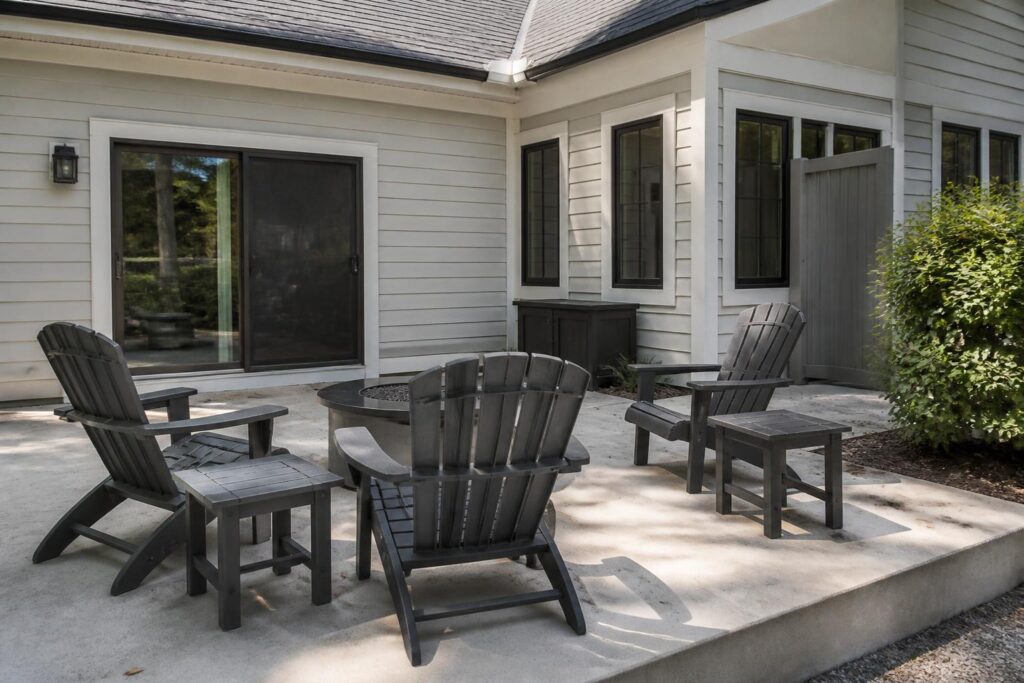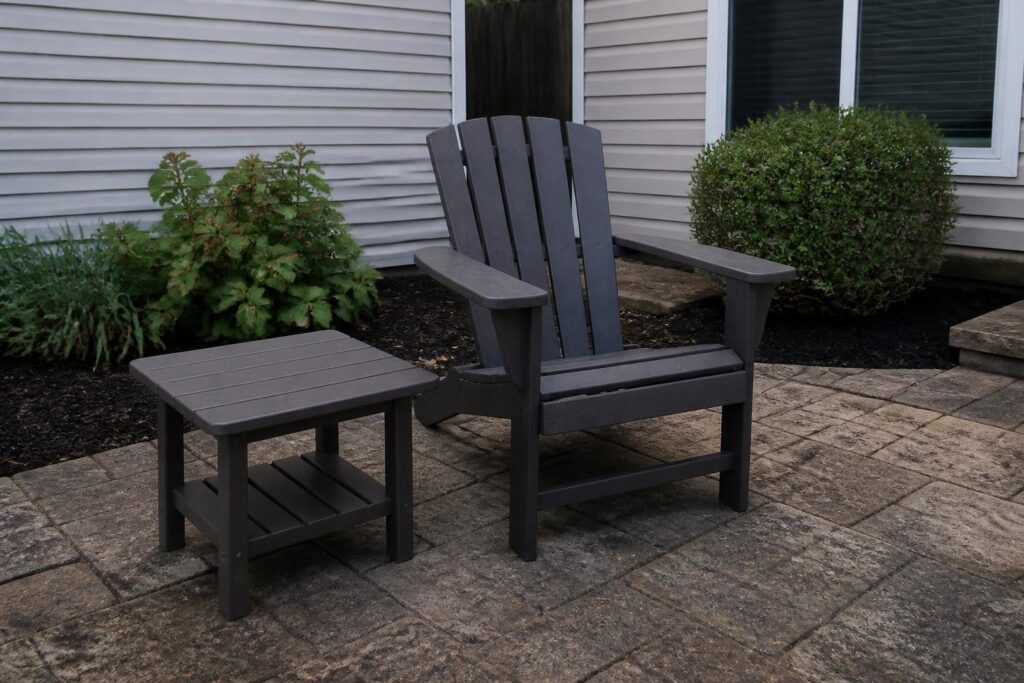
Trying to level patio furniture on uneven pavers can turn a comfortable outdoor setup into a daily annoyance. A chair that rocks, a table that wobbles, or a stool that never seems to sit flat usually points to a surface issue, a leg contact issue, or both.
The good news is that many cases are easy to fix without rebuilding the whole patio. With a little diagnosis, careful cleaning, and the right stabilizing approach, you can make your setup feel solid again while protecting both your furniture and the paver surface.
Start by finding out what is actually moving
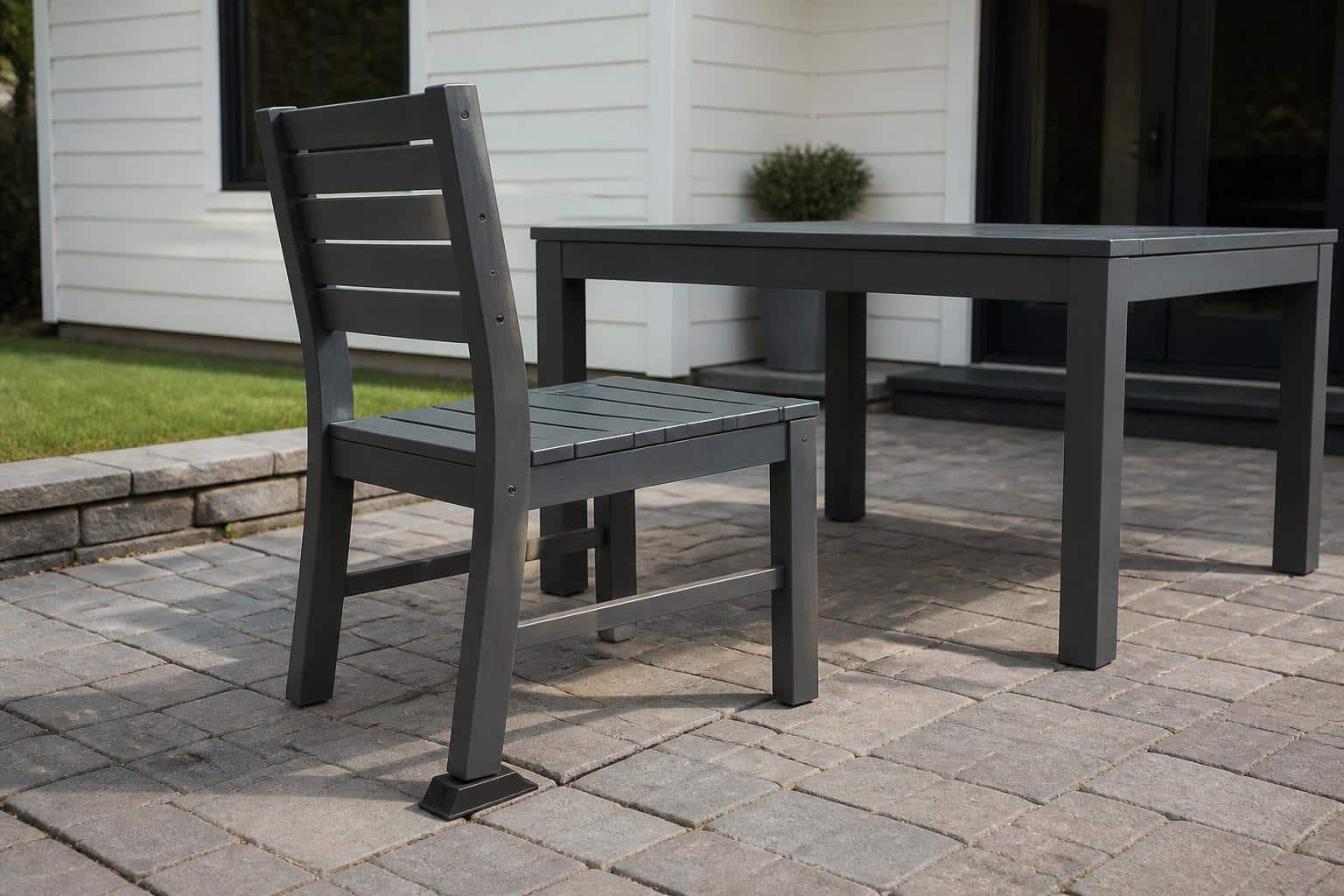
Before you add anything under a leg, identify whether the wobble comes from the furniture itself or from the pavers. Set the piece on the area where it normally sits, then press gently on opposite corners. If a table rocks diagonally, one leg is likely losing contact with the surface. If a chair shifts from more than one point, the pavers may have multiple low and high spots, or debris may be holding one foot up.
Move the same item a few feet away and test it again. If the wobble disappears, the patio surface is the problem. If it stays the same in several spots, inspect the furniture feet and hardware. Quality outdoor furniture with substantial weight often settles more confidently than lighter pieces, but any chair or table can rock if one contact point is off. For reference, the Hampton Adirondack Chair weighs 52 lb, the Armless Cafe Chair weighs 27 lb, the Counter Height Stool weighs 21 lb, and Hampton round and square end tables weigh 15 lb each.
That weight can help a piece feel grounded, but it does not overcome a paver edge, compacted joint sand, or a raised corner. The fix starts with accurate diagnosis rather than trial and error.
Clear the joints and contact points first
One of the most overlooked causes of rocking furniture is buildup between and on top of pavers. Sand, leaf fragments, mulch, tiny stones, and hardened grime can create just enough height to lift one leg. Start with a dry sweep, then look closely at the exact spots where each foot lands.
Use a small brush or similar non-metal tool to clear debris from the paver joints around those contact points. If packed material sits above the paver surface, remove it carefully. Then wipe or rinse the top of the pavers so the furniture feet sit directly on the surface instead of on grit. Let everything dry before testing again.
Also inspect the bottoms of the furniture legs. Stuck pebbles, caked dirt, or worn feet can all create an uneven stance. This is especially worth checking after moving furniture across the patio for cleaning or seasonal rearranging.
If you use an outdoor dining or seating set often, make this quick cleanup part of regular maintenance. It takes only a few minutes, and it can solve the issue without any shim at all.
Check for slope, lippage, and isolated low spots
Not every uneven patio is truly failing. Many patios are built with intentional slope to move water away from the home. A slight pitch is normal. What creates furniture wobble is usually abrupt change from one paver to the next, known as lippage, or a small dip right where a leg lands.
Lay a straight board, level, or other rigid straightedge across the pavers in a few directions. You are not trying to create a perfectly flat engineering report. You just want to see whether one paver edge sits higher than the next, whether a corner has settled, or whether the furniture is straddling a shallow depression.
Pay special attention to these trouble patterns:
One table leg landing on a raised paver edge.
One chair foot sinking slightly into a widened joint.
Two legs sitting on one paver and two on another that has shifted.
A low corner where runoff or washout may have affected the base.
If the area also serves as part of an accessible path, consistent walking surface quality becomes even more important. The U.S. Access Board accessible routes guide is a useful reference for understanding stable and usable surface expectations.
A gentle overall slope can often coexist with stable furniture. Sudden height differences are the bigger problem.
Use glides or shims that fit the problem
Once the pavers are clean and you have confirmed where the height difference is, choose the least invasive fix that creates full contact at all legs. For minor wobble, a thin outdoor-safe shim under the short leg usually works well. The goal is stability, not visibly propping furniture up.
For chairs, stools, and smaller side tables, discreet shims can be enough if the unevenness is minor and localized. Place the shim fully under the foot so it does not stick out and create a trip point. Test the piece by sitting or pressing on it from different angles. If it still moves, the shim may be too thin, too compressible, or in the wrong spot.
Protective glides can help when the issue is friction and tiny paver irregularities rather than a true height gap. A well-fitted glide can also reduce scuffing as furniture is repositioned. If your furniture already has foot caps or glides, inspect them for uneven wear before adding anything else.
A few practical rules help here:
Use weather-tolerant materials that stay put outdoors.
Do not stack a pile of loose makeshift shims.
Do not use anything soft enough to crush quickly under weight.
Do not create a visible edge that can catch a shoe or mower wheel.
If a single shim solves the wobble, great. If you need a thick stack or repeated adjustment, the patio surface likely needs more than a furniture-level fix.
Match the furniture type to the surface challenge
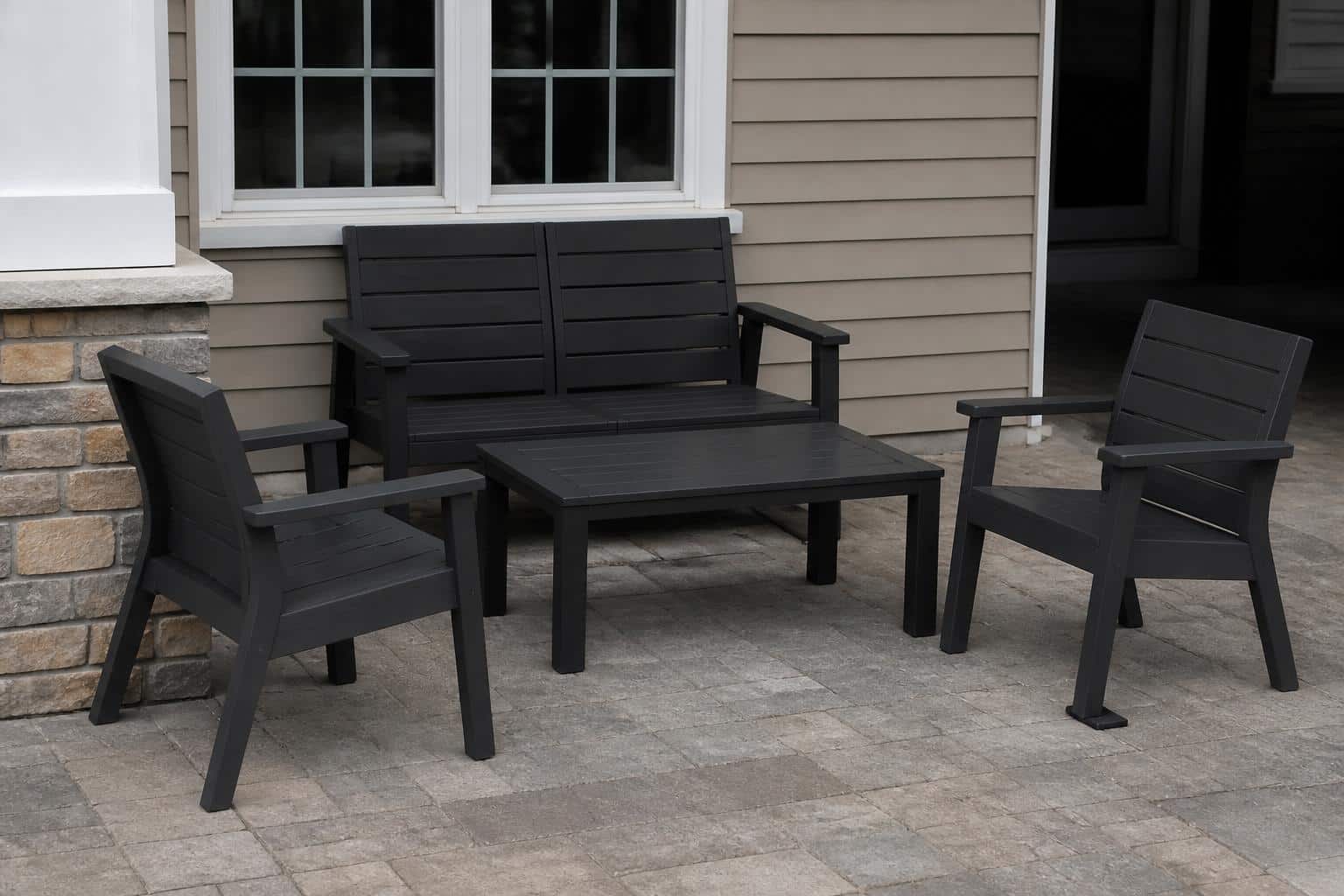
Different pieces react differently on uneven pavers. A four-leg dining chair may rock with only a tiny change in grade because each contact point matters. A broader, heavier lounge chair may feel steadier, yet still shift if one foot bridges a joint. Side tables can seem stable until you place a drink, plate, or planter on top and expose the wobble.
That is one reason many homeowners appreciate substantial outdoor pieces built for long-term use. Plastic Furniture To Go offers American Made outdoor furniture crafted from Marine Grade Polymer with 3/16-inch stainless steel hardware, plus a 7-year structural warranty and 5-year fade warranty. Durable construction helps a piece stay dependable over time, but even a well-built item performs best on a stable surface.
If you are evaluating a small accent table for a seating area with paver variation, a compact option like the Hampton Square End Table can be easier to test and reposition while you work through leveling. Once that piece sits solidly, you can use the same process across the rest of the layout.
Think through how the furniture is used too. A counter stool near an outdoor bar gets more side-to-side movement than an end table beside a chair. That extra motion can reveal an uneven surface faster.
Know when the paver base, not the furniture, needs correction
Some wobble is a furniture-foot issue. Some is a patio issue. If several pieces rock in the same zone, if the same paver corners continue to rise or sink, or if you notice widening joints and standing water, the base under the pavers may need attention.
Warning signs that point beyond simple shimming include:
Multiple furniture pieces wobble in the same area.
Pavers tilt when stepped on.
Edges sit noticeably proud of neighboring units.
Joint material keeps washing out.
Water collects where furniture also rocks.
At that point, adding more shims is only hiding the symptom. A local hardscape professional may need to lift and reset the affected pavers, restore the bedding layer, and correct the base below. You do not have to rebuild the entire patio if the issue is limited to one section, but you do want the surface corrected before it becomes a larger trip hazard or drainage problem.
Furniture should not be used to compensate for structural patio movement. Stable outdoor living starts with a stable surface.
Set up your layout so it stays stable longer
After you fix the wobble, a few habits can keep the area performing better. Try to place each item so its feet land fully on the paver faces rather than directly over wide joints or irregular edges. If you are creating a seating group, shift the arrangement slightly to take advantage of the flattest section of the patio.
It also helps to avoid dragging furniture across pavers whenever possible. Lift and reposition instead of scraping the feet over the joints. This protects both the furniture contact points and the patio surface.
Seasonal checks are smart, especially after freeze-thaw cycles, heavy rain, pressure washing, or joint sand maintenance. Walk the space, test the main seating and dining pieces, and make small adjustments before wobble becomes part of everyday use.
If you are refreshing your outdoor setup, browsing well-made pieces designed for outdoor living can also help you plan around your space more intentionally. You can explore current options at the shop and compare which seating and tables best fit your patio layout.
A simple troubleshooting order saves time
If you want the fastest path to a stable setup, use the same sequence every time. First, test the furniture in place. Second, move it to another section to separate furniture issues from patio issues. Third, clean the paver surface and the furniture feet. Fourth, check for high edges, low spots, and worn glides. Fifth, add a minimal outdoor-safe shim only if needed. Finally, step back and look for repeated trouble in the same area that may suggest base settlement.
This order keeps you from overcorrecting too soon. It is easy to assume the furniture is defective when the actual issue is a pebble in the joint or one slightly raised paver. It is just as easy to keep shimming a chair when the larger problem is that the patio section itself has shifted.
When done carefully, leveling does not need to be complicated. It is usually a matter of restoring full, even contact and deciding whether the fix belongs under the furniture foot or under the pavers themselves.
Frequently Asked Questions
Can I leave shims under patio furniture permanently?
Yes, if the shim is weather-tolerant, fits neatly under the foot, and creates a stable result without sticking out. If it slides, compresses, or requires stacking, it is better to address the surface more directly.
Is it normal for paver patios to have some slope?
Yes. A slight slope is often intentional for drainage. Furniture problems usually come from abrupt height changes, uneven joints, or settled spots rather than from a gentle overall pitch.
Should I replace furniture if it rocks on pavers?
Not necessarily. First test the piece in multiple locations, clean the contact points, and inspect the feet. Many wobble issues come from the patio surface, not from the furniture itself.
How do I know if the patio needs repair?
If several pieces wobble in the same area, pavers move underfoot, edges sit unevenly, or water collects nearby, the base may need correction. That is usually a sign the surface needs to be reset rather than shimmed.
Shop durable outdoor pieces for patios, decks, and backyard seating areas at Plastic Furniture To Go, or Contact the team online if you have product questions before you order.