
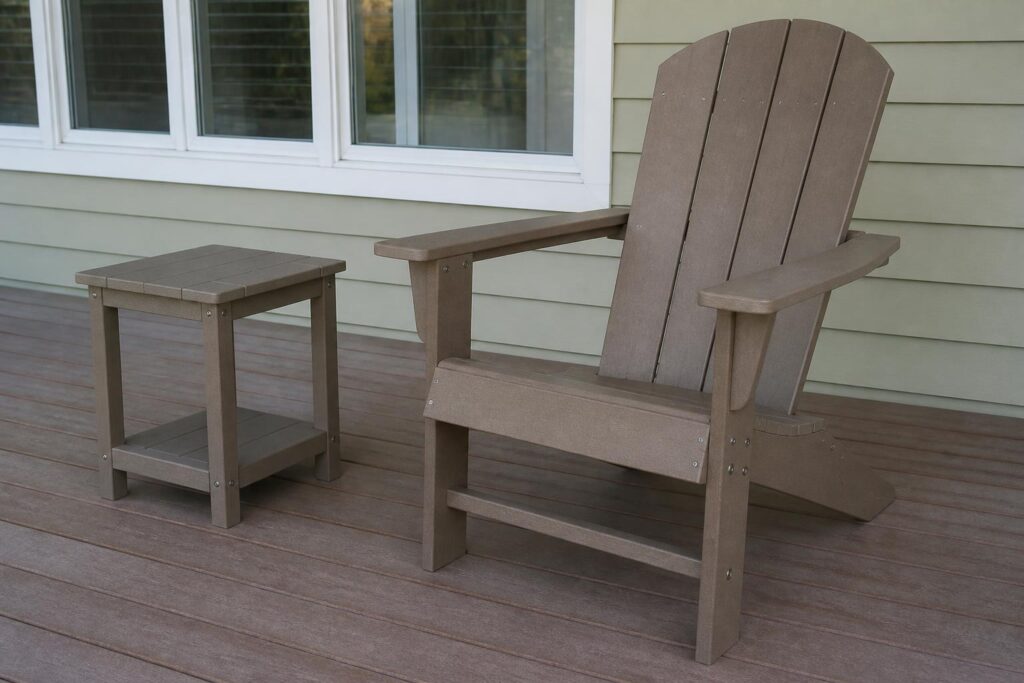
An outdoor furniture hardware inspection checklist helps you catch small issues before they turn into wobble, noise, or avoidable wear. A quick routine inspection can keep seating and tables feeling stable, looking neat, and staying ready for everyday use outdoors.
If you own American Made pieces built with Marine Grade Polymer and 3/16-inch stainless steel hardware, keep those specifications with the product’s assembly and care instructions. Inspect bolts, joints, and connections as directed, including after impacts or movement.
Start with a simple visual walkaround
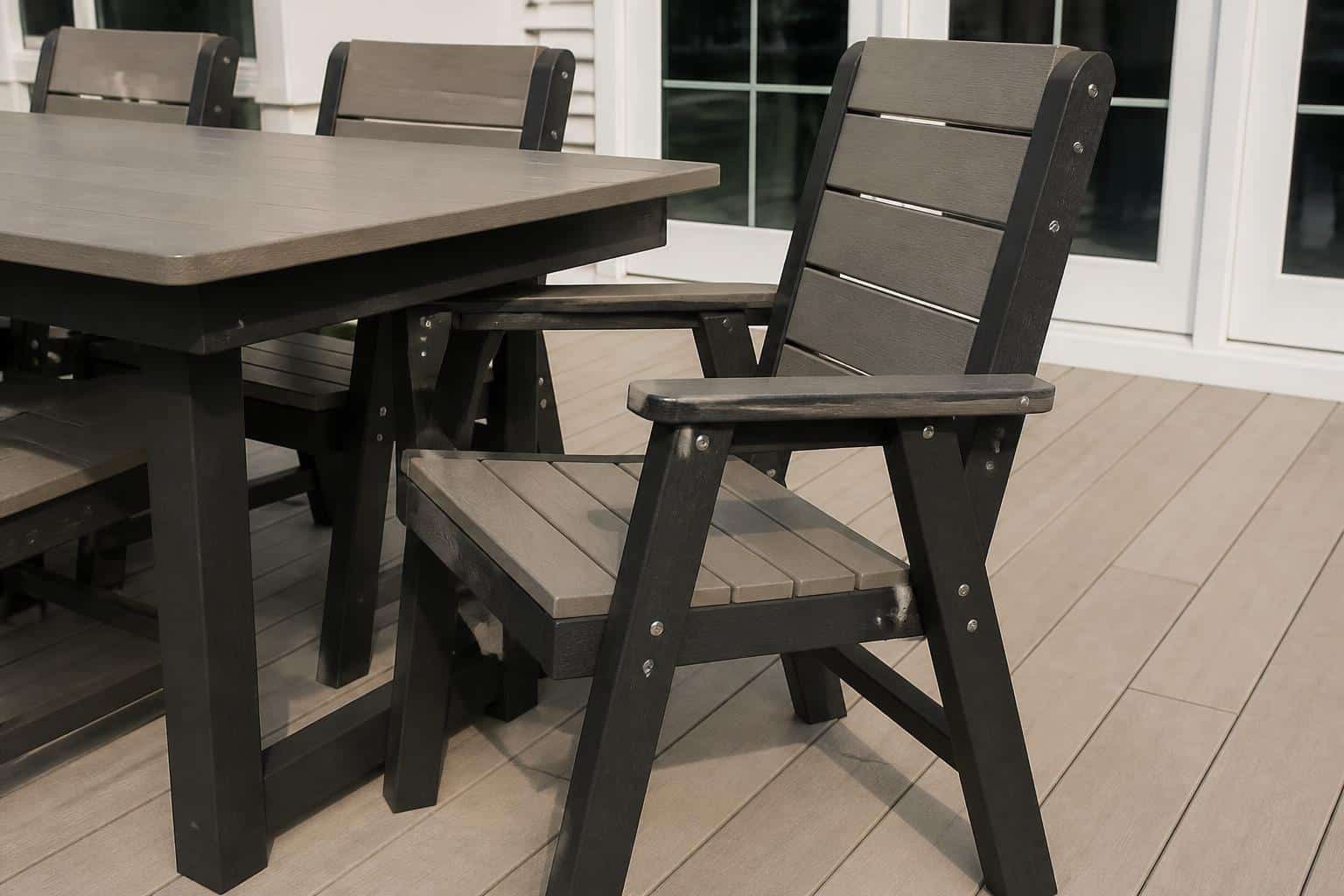
Before touching a single fastener, do a slow walkaround of each chair, stool, and table. Look at the furniture from the front, back, and both sides. This first pass often reveals the most obvious problems without tools.
Check whether the furniture sits level on a flat surface. A chair that rocks slightly may have a loose connection, a shifted component, or uneven placement. Scan the legs, arms, braces, and tabletop supports for gaps where parts should sit flush. Hardware does not need to look dramatic to be worth attention. A washer that looks slightly out of place or a bolt head that no longer sits evenly can be an early sign that movement has started.
Pay special attention to high-use pieces. For example, a Marine Grade Polymer furniture dining setup may get moved often for cleaning or entertaining, so joints and fasteners can experience more repeated stress than a side table that stays put all season.
Check for looseness in the places that move the most
After the visual pass, test each piece gently by hand. Press down on seat surfaces, wiggle arms lightly, and place a hand on the back of a chair while stabilizing the frame. You are not trying to force movement. You are trying to feel whether movement exists where it should not.
Focus on these common areas:
Seat-to-frame connections often reveal early looseness because they absorb repeated daily use. Back supports can also shift slightly over time if a fastener has backed off. On tables, inspect the points where the top meets the base and where lower braces tie the structure together.
Check the actual piece for looseness, damage, or unfamiliar movement. Product weight does not establish stability or a load rating. Stop using furniture with unresolved wobble or damaged connections, and follow the product instructions or ask the seller before adjustment.
Listen too. Creaking, clicking, or faint metal-on-metal sounds can point to a connection that needs attention. Noise is not always a major problem, but it is a useful clue that something has changed.
Look for alignment issues, not just loose bolts
Not every hardware problem starts with a loose fastener. Sometimes the first clue is alignment. If slats, arms, legs, or support members no longer appear evenly spaced, hardware may be under uneven tension or a connection may have shifted.
Stand a few feet away and compare left and right sides. Does one arm sit higher than the other? Does the chair back look slightly twisted? Does the tabletop appear centered on the base? These details matter because they can indicate stress at one connection point while the rest of the frame is compensating.
Check alignment after moving furniture or noticing an unfamiliar gap or movement. If something appears out of place, stop using the piece and follow the product instructions or ask the seller before making an adjustment. Tightening a connection is not a substitute for identifying damage.
For wood-based outdoor furniture, seasonal moisture swings can contribute to movement around joints, which is one reason broad maintenance guidance often emphasizes regular checks, as noted in this U.S. Forest Service overview of outdoor exposure and material performance. While Marine Grade Polymer is different from wood, the maintenance habit of inspecting for movement and joint stress still makes good sense outdoors.
Inspect for corrosion evidence and surface wear around hardware
Hardware inspection is not just about whether a bolt is tight. It is also about what the surrounding area tells you. Look closely around fastener heads, washers, and connection points for discoloration, residue, streaking, or surface wear that seems new.
Your inspection should include:
Any visible orange, brown, gray, or chalky buildup near metal parts. Scratches or rubbing marks that suggest two components have been shifting against each other. Slight elongation around a fastening point, where a connection no longer looks as clean and centered as it once did. Small gaps that collect dirt repeatedly because parts are no longer seated tightly.
PFTG uses 3/16-inch stainless steel hardware. Inspect the connections and follow the care instructions; the specification does not establish immunity from corrosion or damage. Clear residue only with a method permitted for the exact product before assessing the area.
Also inspect the surrounding Marine Grade Polymer surfaces. If a fastener is over-tightened or under unusual strain, the material around the connection can sometimes show subtle stress before the hardware itself looks problematic.
Tighten safely without overcorrecting
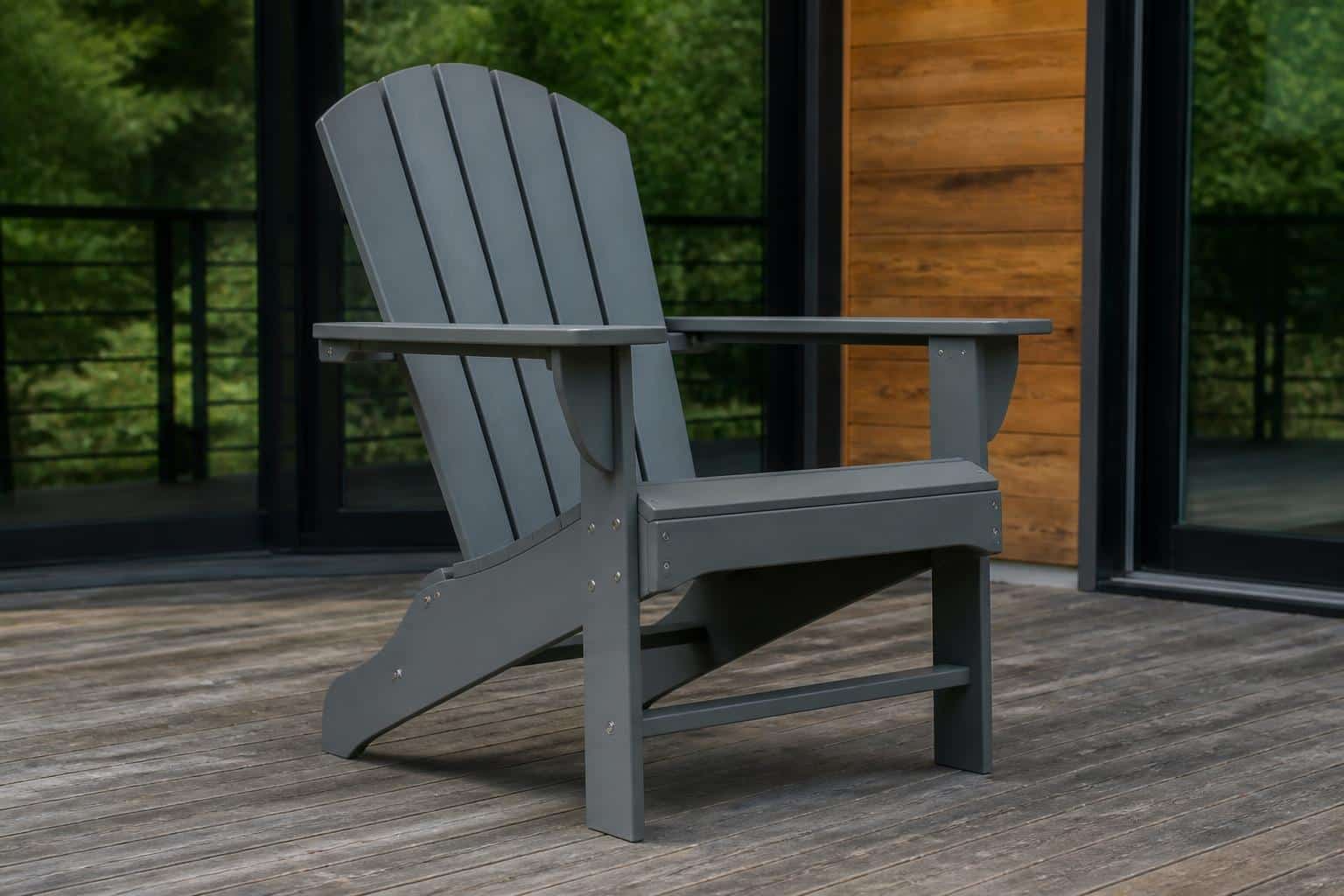
When you find a loose connection, the goal is stability, not maximum force. Over-tightening can create unnecessary stress on the hardware or the connected components. A careful, measured approach is better than trying to make every fastener as tight as possible.
Make an adjustment only as described in the product’s assembly or maintenance instructions, using the specified tools and tightening guidance. If the instructions do not address what you found, ask the seller before proceeding. Do not improvise a repair to a damaged connection.
As you tighten, stop periodically and check whether the frame is sitting square. On a chair, place it on a flat surface and test for wobble after a small adjustment. On a table, press lightly at opposite corners to see whether the base feels stable. If the looseness remains even after proper tightening, the issue may be related to alignment, wear, or a part that needs further review.
A good rule is simple: snug and stable is the target. If you feel resistance increase sharply, do not keep forcing the connection.
Create a quick inspection record you can actually maintain
Documentation sounds formal, but it can be very simple. A short note on your phone or in a home maintenance app is enough. Record the date, the furniture piece, what you observed, and what you did. That gives you a baseline for future checks.
Helpful notes might include: slight wobble at left arm connection, tightened and retested; tabletop stable but washer looked off-center, monitor next month; no corrosion evidence after spring cleaning. These short records help you tell the difference between a one-time adjustment and a recurring issue.
This matters most for furniture that gets frequent use or seasonal storage. If the same connection loosens again and again, that pattern is useful information. It helps you decide whether the issue is routine maintenance or something that should be reviewed under warranty terms.
If you are maintaining multiple pieces, group them by type and use level. Dining chairs may need more frequent checks than end tables, while stools around an outdoor bar setup may see more repeated shifting than a lounge chair that stays in one spot.
Know when a simple fix is enough and when to pause use
Many hardware issues are minor and easy to correct. A slightly loose fastener that tightens normally and restores stability is usually a straightforward maintenance item. But some findings should make you pause and investigate further before continued use.
Stop and reassess if you notice repeated loosening at the same point, visible distortion in a component, hardware that will not seat properly, or persistent wobble after careful tightening. Also pause if a piece looks out of square and does not return to normal alignment with gentle adjustment.
At that stage, avoid improvising with substitute hardware or forcing parts into position. Using the original design and correct fit matters. If you own Plastic Furniture To Go products, review the coverage details on the returns and warranty page. Confirmed coverage includes a 7-year structural warranty and a 5-year fade warranty, which can help you understand next steps if the concern is beyond routine maintenance.
Set a practical schedule for seasonal checks
The best inspection routine is one you will actually follow. For most households, a simple seasonal schedule works well: once at the start of peak outdoor season, once during the busiest stretch, and once before off-season storage or reduced use.
You may want extra checks after severe weather, large gatherings, or any time furniture has been dragged, stacked, or relocated repeatedly. Quick spot checks only take a few minutes when you know where to look.
Try this easy sequence each time: clean the furniture, do a visual walkaround, test for movement, inspect hardware and surrounding surfaces, tighten only as needed, and record anything worth watching. That pattern is enough to catch most developing issues early.
For furniture made with Marine Grade Polymer, routine inspection is less about complicated upkeep and more about preserving the solid feel you expect every time you sit down or set something on the table. Small checks now are easier than dealing with a bigger problem later.
Frequently Asked Questions
How often should I inspect outdoor furniture hardware?
A seasonal schedule is a practical starting point for most homes. Check at the beginning of outdoor season, once during heavy use, and again before storage or reduced use. Add an extra inspection after storms or frequent moving.
What counts as a sign that hardware needs attention?
Look for wobble, clicking sounds, visible gaps at joints, washers or bolt heads that look uneven, rubbing marks near connections, or recurring misalignment. Any new movement where the frame used to feel solid is worth checking.
Should I tighten every fastener during each inspection?
No. Tighten only the connections that actually need adjustment. Unnecessary tightening can create extra stress. The goal is to restore stable, even connections, not to apply maximum force everywhere.
When should I contact the seller instead of adjusting it myself?
Reach out if a connection keeps loosening, a part looks distorted, hardware will not seat correctly, or the furniture remains unstable after careful tightening. Warranty questions are also a good reason to get guidance before continuing use.
Shop American Made outdoor pieces with free nationwide shipping and compare the published material, hardware, and dimensions. Use the contact page for a product-specific warranty or maintenance question.

