Shopping online for patio pieces is convenient, but a smart buyer reads the fine print before checkout. This outdoor furniture return policy checklist will help you compare policies clearly so you know what happens if an order arrives damaged, does not fit your space, or simply is not what you expected.
Outdoor furniture is a bigger purchase than a throw pillow or lamp. It may ship in multiple boxes, travel by freight, require original packaging for returns, and come with separate warranty terms. If you know what to check before you buy, you can avoid surprises and choose with more confidence.
Start with the return window
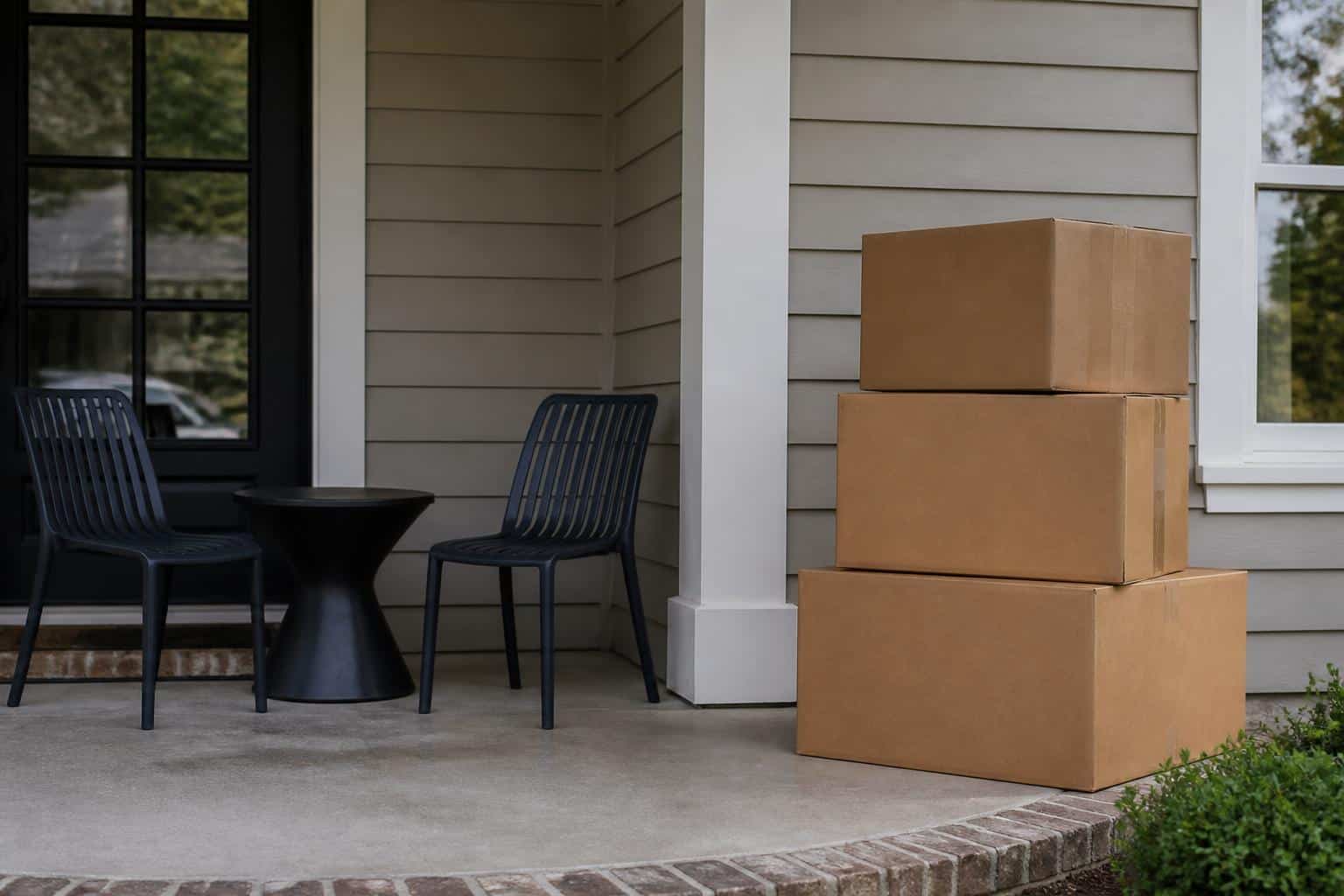
The first thing to check is the return timeframe. Some stores measure the clock from the order date, while others count from the delivery date. That difference matters, especially for larger outdoor furniture orders that may spend extra time in transit or arrive in several shipments.
Once you have checked the return terms, compare current product dimensions and prices in our outdoor furniture collection.
Look for clear wording on questions like these:
How many days do you have to request a return? Does the policy apply from purchase, ship date, or delivery? If multiple boxes arrive on different days, when does the window begin? Is there a shorter timeline for reporting obvious transit damage?
Damage reporting deadlines are often much shorter than standard return windows. A retailer may allow general returns for a certain number of days but require shipping damage to be reported within a much tighter timeframe. That means you should inspect boxes promptly and keep all packing materials until you are sure everything arrived in good condition.
If a policy is hard to follow, that is useful information by itself. A good return page should make timing easy to understand before you place an order. Plastic Furniture To Go publishes both its returns and warranty details and its shipping policy so shoppers can review the basics before ordering.
Check the condition requirements before opening everything
Most outdoor furniture returns are not handled the same way as small parcel retail items. Many brands require products to be unused, unassembled, and in original condition to qualify for return approval. Some also require all original hardware, instructions, inserts, and protective packaging.
This is one of the most important parts of any policy because “returnable” often does not mean “used for a week and then sent back.” If you are comparing chairs, tables, or stools for a patio refresh, confirm whether you can assemble the item first and still return it if it does not work for your space.
Check product weight when planning a return. The Hampton Adirondack Chair weighs 52 lb, the Armless Cafe Chair 27 lb, the Counter Height Stool 21 lb, and each Hampton end table 15 lb. Arrange safe handling and suitable packaging, and inspect order accuracy before assembly or discarding any original packaging.
Read for phrases such as:
Original packaging required. No returns on assembled items. Item must be unused. Return subject to inspection. Customer responsible for improper repacking damage.
If those standards exist, plan your unboxing accordingly. Open carefully, inspect parts, compare the order to your confirmation, and do not throw away packaging too early.
Understand who pays return freight
Free outbound shipping does not always mean free return shipping. In fact, with outdoor furniture, return freight can be one of the biggest costs in the process. This is especially true for larger pieces or multi-carton orders.
Before you buy, check whether the seller covers return shipping only for damaged or incorrect items, or whether the customer pays return freight for preference-based returns. Some retailers also deduct original shipping expenses from the refund even when the order was marketed as free shipping. Others may charge restocking fees, carrier pickup fees, or return label fees.
It is worth reading every mention of charges closely. Questions to answer include:
Is there a restocking fee? Who arranges the carrier pickup? Are return labels provided? Is white-glove service refundable if offered? Are refused deliveries treated as standard returns with added fees?
Because Plastic Furniture To Go is a factory-direct ecommerce brand with free nationwide shipping, buyers should still review the posted policy details to understand what applies to approved returns, refused shipments, and warranty situations. Free shipping on the original order is a separate issue from return freight responsibility.
Look for packaging and pickup instructions
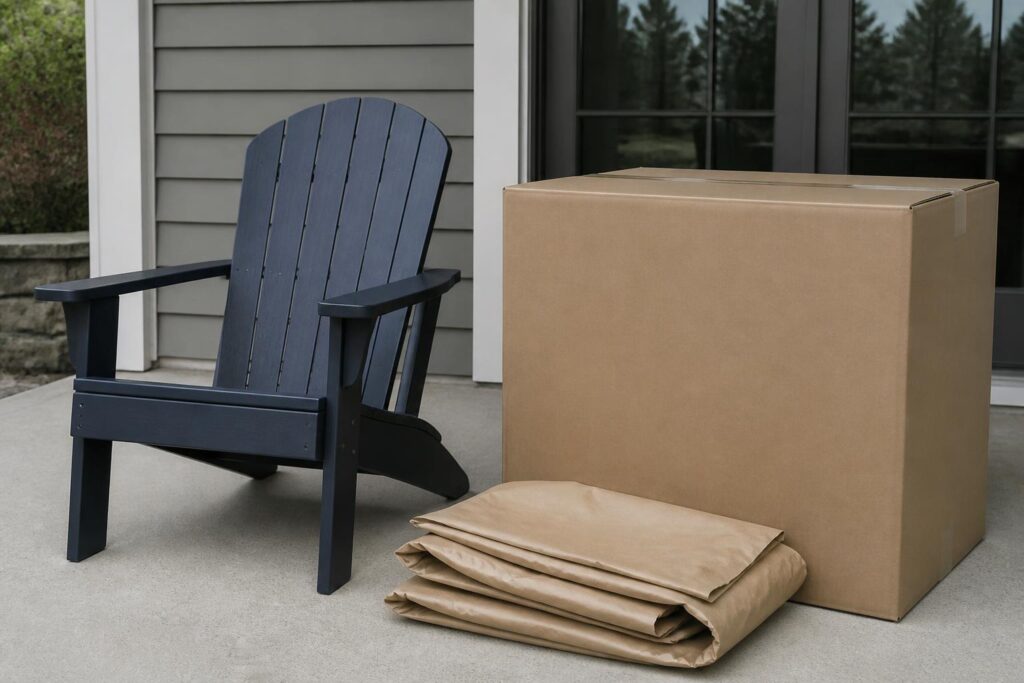
Outdoor furniture return policies often include rules that are easy to miss but very important in practice. A company may approve the return, then require the buyer to repackage the item safely for carrier pickup. If the original carton, foam, corner guards, or bagged hardware are missing, the return may become more complicated or more expensive.
That is why packaging language deserves its own check on your list. Look for whether the company requires:
Original cartons and inserts. Secure wrapping for freight pickup. All components in one shipment. Photos before pickup. A return authorization number on the carton. Pickup scheduling within a certain number of days.
Large outdoor furniture is not always easy to rebox after full assembly, so it helps to decide quickly whether you are keeping it. If you ordered several coordinating pieces, inspect all of them at once instead of opening one now and leaving the others boxed for later. That keeps your return options clearer if there is a mismatch or shipping problem.
It is also smart to save any delivery paperwork and note carton condition at arrival. If the exterior looks crushed, torn, or punctured, document it before unpacking. That record can help if you need to report concealed or visible damage.
Separate shipping damage from buyer’s remorse returns
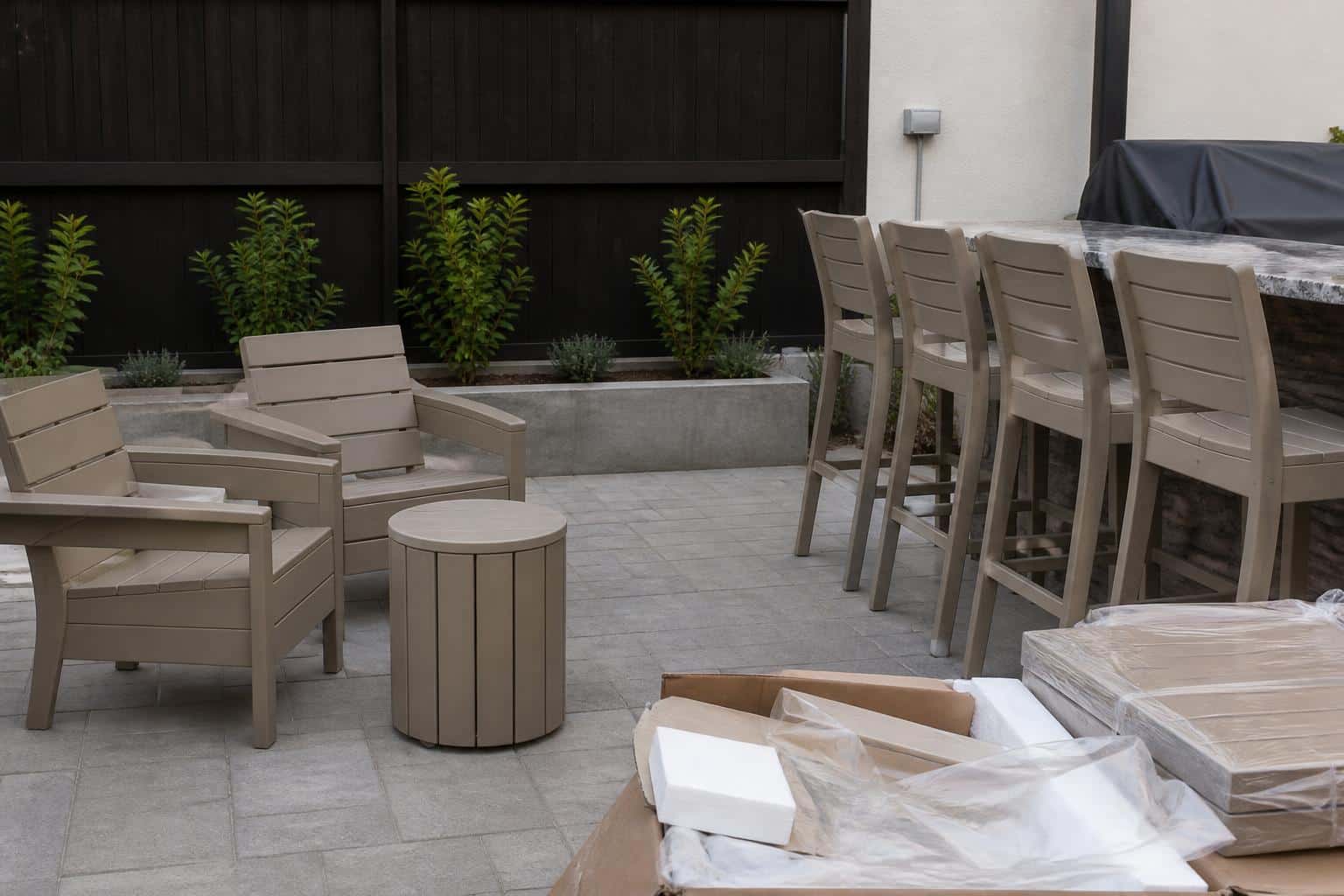
One of the biggest sources of confusion is treating all post-delivery issues as the same. Most policies split them into categories: shipping damage, wrong item received, missing parts, and standard discretionary returns. Each category may have a different process.
Shipping damage usually requires quick reporting and photos. Missing hardware may lead to replacement parts instead of a return. An incorrect finish or item sent by mistake may qualify for seller-arranged correction. A change-of-mind return may put more cost and effort on the buyer.
Before placing an order, make sure the seller explains these distinctions plainly. For internet orders in the United States, timing and shipment obligations are also shaped by federal rules on ordered merchandise, which you can review in the FTC Mail, Internet, or Telephone Order Merchandise Rule.
As a buyer, your best protection is speed and documentation. Inspect the shipment promptly, take clear photos if there is damage, and follow the seller’s reporting instructions exactly. Waiting too long can turn a straightforward freight claim into a harder customer-service issue.
Do not confuse returns with warranty coverage
A return policy tells you what happens if you want to send an item back after purchase. A warranty explains what defects or performance issues may be covered after you keep the item. Those are different protections, and shoppers should read both.
Plastic Furniture To Go offers a 7-year structural warranty and a 5-year fade warranty. That is useful long-term coverage information, but it is not the same thing as an open-ended return option. If a chair arrives and you simply decide the style is not for you, the return policy controls that situation. If an eligible structural issue appears later, the warranty terms are the place to look.
It also helps to read how the product is described so expectations are realistic from the beginning. Plastic Furniture To Go furniture is American Made and built with Marine Grade Polymer and 3/16-inch stainless steel hardware. Those details speak to construction, while the return page explains process and eligibility if something needs to be addressed after delivery.
Good shoppers compare both pages before checkout instead of assuming one covers the other.
Check for exclusions and custom-order language
Not every outdoor furniture order is treated the same. Some policies exclude certain finishes, special orders, clearance items, assembled products, or commercial quantities from standard return terms. Even if a product page looks straightforward, the return policy may contain category-specific rules.
Read carefully for exclusions tied to:
Final sale items. Special-order colors. Bulk orders. Accessories. Installed or assembled items. Missing original packaging. Damage caused after delivery.
If you are furnishing a full patio at once, this section matters even more. A shopper may assume the same terms apply to every chair, stool, and table in the cart, but that is not always true. Make sure the policy does not quietly treat part of the order differently.
This is also where a direct contact method matters. If something seems unclear before purchase, use the available online channel to ask for clarification in writing. That can be especially helpful when choosing coordinated pieces or confirming how a policy applies to a multi-item order.
Use a simple pre-order review process
Before you click buy, run through a short decision checklist. It only takes a few minutes and can save a lot of frustration later.
Confirm the return window and the damage-reporting deadline. Verify condition requirements, including whether assembly changes eligibility. Check who pays return freight and whether any fees apply. Review packaging requirements and whether original materials must be kept. Read the difference between returns, shipping damage claims, and warranty claims. Scan for exclusions on special-order or final-sale items. Save screenshots or copies of the policy in case the page changes later.
Also make sure the furniture itself matches your needs before ordering. Review the product type, finish, and quantity carefully. For outdoor spaces, heavier pieces can be a benefit for everyday stability, but they are still easier to manage when your order is accurate the first time.
The goal of this outdoor furniture return policy checklist is not to make shopping harder. It is to help you buy with fewer assumptions. A clear policy usually signals a more organized buying experience overall.
Frequently Asked Questions
Should I keep the boxes after outdoor furniture is delivered?
Yes. Keep cartons, inserts, and hardware packaging until you finish inspecting the order and know you are keeping it. Many return policies require original packaging for approved returns.
Is free shipping the same as free returns?
No. A seller may offer free nationwide shipping on the original order while still requiring the customer to pay return freight or other fees for non-damage returns. Always read both the shipping and return policies.
How fast should I report damage?
As fast as the policy requires, ideally right after delivery and inspection. Damage-reporting windows are often shorter than standard return windows, so do not wait several days to open and examine the shipment.
Does a warranty replace the return policy?
No. A warranty covers qualifying issues after purchase under stated terms, while a return policy covers whether and how an item may be sent back. Read both before ordering.
Shop with confidence by reviewing the posted policy details before checkout, then browse American Made outdoor pieces at Plastic Furniture To Go’s returns and warranty page or use the online form to Contact the team with pre-order questions.