

When comparing resin vs plastic outdoor furniture, start with the exact product description. Retail labels can be broad, and neither word alone establishes the chair’s construction, care requirements, or quality. This guide helps you turn vague listing language into a set of specific questions about material, components, finish, and support.
What “Resin” and “Plastic” Actually Mean on a Product Label
A listing that says only “resin chair” leaves important questions unanswered. Ask the seller to identify the material used in the frame and seating surfaces. If the furniture includes woven strands, coatings, or separate supporting parts, ask about those components too. Use the seller’s documented specification rather than inferring it from the name.
The word “plastic” is also broad. It is not a dependable price or quality category. A chair’s photographs and marketing label do not establish thickness, additives, tested limits, or expected service life; those need product-specific information.
Here’s the practical takeaway: the label alone doesn’t tell you quality, thickness, UV resistance, or lifespan. Two chairs can both be legitimately called “resin” and be built from wildly different materials with wildly different price tags. When you compare resin vs plastic outdoor furniture, you have to look past the marketing word and dig into the actual polymer, the construction method, and the manufacturer’s specifications.
Names such as HDPE, polypropylene, and PVC identify polymer types, while other retail descriptions may be less specific. Even a named polymer does not tell you the complete formulation or finished-product performance. Ask what the description covers.
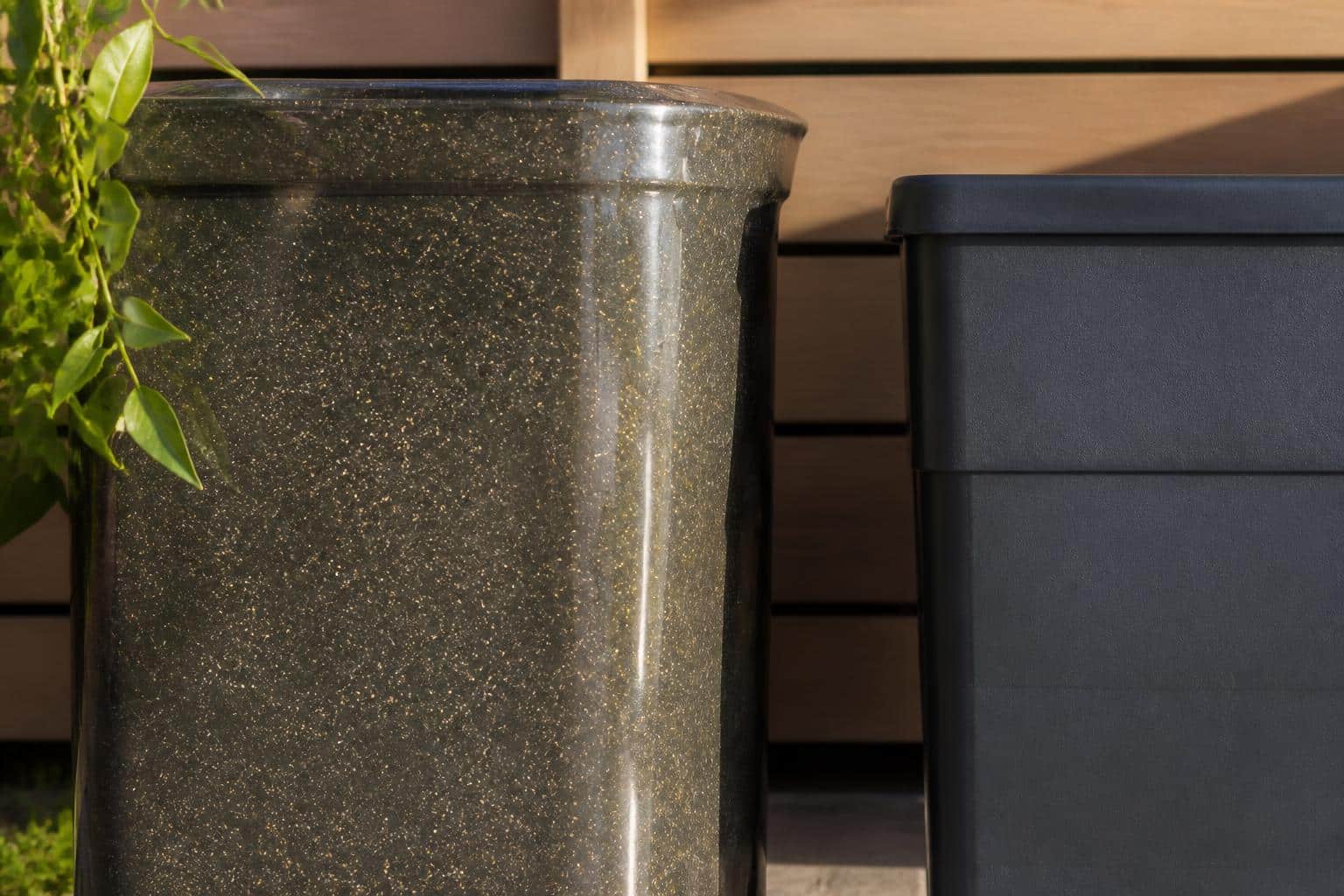
The Main Polymer Families You’ll Encounter Outdoors
Once you get past the marketing, most outdoor plastic furniture falls into a handful of material categories. Knowing them makes shopping much easier.
HDPE (High-Density Polyethylene)
HDPE means high-density polyethylene. When a seller uses that term, ask separately about the finished item’s construction, hardware, dimensions, care, and coverage. The material name does not establish a board thickness, minimum chair weight, recycled content, or quality tier. Our HDPE listing guide explains those distinctions.
Polypropylene
If a product specifies polypropylene, compare that exact model’s dimensions, intended use, care instructions, and written coverage. Do not assign it a replacement interval or assume its performance from price or appearance.
PVC and “Resin Wicker”
For furniture described as resin wicker, ask about both the woven surface and the supporting frame. Check the stated materials, finishes, care instructions, and replacement-part options. The word “wicker” or a photograph of the weave does not identify every component.
Recycled Plastic
A recycled-content claim should explain the amount and components it covers. Ask for that disclosure separately from the material name. The EPA recycling overview provides background; it does not verify a particular chair or establish that recycled and virgin products perform identically.
How Manufacturing Method Changes What You Get
The polymer matters, but so does what the factory does with it. Two chairs made from the same HDPE resin can end up dramatically different depending on the process.
If a listing says the furniture is molded, ask which components that describes and where the construction information is documented. A manufacturing method alone does not establish a price tier, wall thickness, safe load, or service life.
If a listing says the furniture is assembled from boards or profiles, compare the model’s stated construction details and hardware. Do not infer those details from weight alone or treat board-built furniture as universally better than another method.
If the construction method is important but not disclosed, ask the seller before ordering. An unclear answer is an information gap to resolve, not proof of a particular hidden manufacturing process.
When comparing resin vs plastic outdoor furniture, look beyond the label to the specific material, construction, hardware, care instructions, and written coverage. A manufacturing method alone does not establish how many competing chairs a product will outlast. Our outdoor living guides offer product and layout comparisons you can use alongside that information.
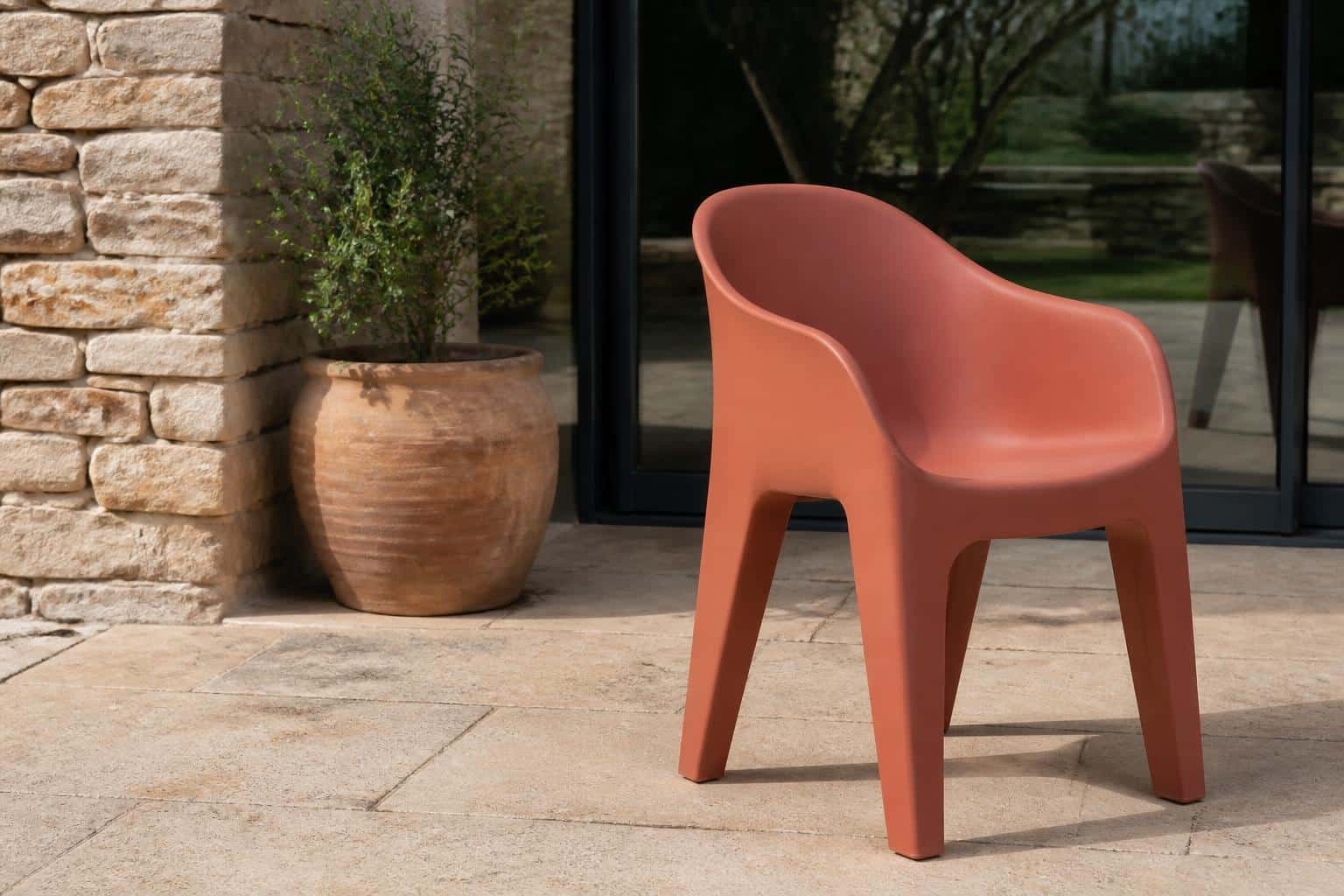
Performance Differences That Actually Show Up Outdoors
Here’s where the theoretical differences become practical. Whether a piece is called “resin” or “plastic” only matters if it survives real outdoor conditions.
Sun exposure. Read the specific product’s outdoor-use, care, and fading coverage. Do not infer the additive chemistry or a predictable fading timeline from price or a broad material label. Plan shade and check sun-exposed surfaces before use.
Temperature guidance. Check the manufacturer’s instructions for outdoor exposure and cold-weather storage. Do not apply one surface-temperature limit or a blanket promise against warping or cracking to all HDPE, polypropylene, or resin furniture.
Weight and wind. A product’s weight helps you plan handling, but it is not a tested wind rating. Even a substantial chair can slide or tip. Include every loose piece in your severe-weather storage or securing plan, and prepare before conditions become dangerous.
Cleaning. Follow the instructions for the finished product, including coatings and hardware. Do not apply a vinegar mixture, bleach rule, solvent, or pressure-washing technique across every item described as resin or plastic without checking compatibility.
Written coverage. PFTG offers seven-year structural and five-year fading warranties under its published terms. Compare what the policy covers and excludes rather than treating those periods as a guarantee of service life. Read the full policy.
How to Compare Two Pieces Fairly Before You Buy
Since the words “resin” and “plastic” don’t tell you much on their own, here’s a checklist that does. Run any candidate through these questions and the picture gets clearer fast.
- What’s the actual polymer? Look for HDPE, polypropylene, or PVC named specifically. If the description only says “resin” with no further detail, ask.
- How is it constructed? Ask for the exact model’s documented construction and hardware details, rather than assuming that a process name determines its price or performance.
- How much does it weigh? Use actual product weight to plan placement and storage. Pounds alone do not identify a polymer, manufacturing method, wall thickness, or load capacity.
- What finish does it have? Ask whether the finish is applied or the material is colored throughout. Neither answer establishes immunity to scratches or fading; follow the finish-specific care guidance.
- What hardware is used? Record the seller’s stated specification and inspection instructions. Do not infer a universal corrosion timeline or an unstated alloy grade.
- What warranty is offered, and what does it actually cover? Read past the headline number to see whether it covers structure, fade, hardware, or all three.
- Where is it made and how is it sold? Compare the seller’s documented origin, configured price, shipping, returns, and support terms. A factory-direct sales channel does not guarantee savings, supply-chain length, or construction quality.
You can apply that checklist to any brand or product page. When you’re ready to see how the pieces in our own catalog stack up, the full lineup is on the shop page — five focused products (Hampton Adirondack, Armless Café Chair, Counter Height Stool, Hampton Round End Table, and Hampton Square End Table), all with free nationwide shipping.
Frequently Asked Questions
Is resin outdoor furniture better than plastic outdoor furniture?
They’re technically the same category — resin is just the industry term for the polymer that becomes plastic. What matters isn’t the label but the specific material (HDPE, polypropylene, PVC), the manufacturing method (extrusion versus injection molding), the thickness of the parts, and the presence of UV inhibitors. A well-built “plastic” chair will outperform a poorly-built “resin” one every time, regardless of which word is on the price tag.
Does resin furniture fade in the sun?
Fading varies with the product, formulation, color, exposure, and care. Ask for the manufacturer’s fading warranty and read its exclusions. Avoid treating a broad material label, color-through description, or price point as proof of a predictable fading timeline.
How long does quality outdoor plastic furniture last?
There is no universal service life for HDPE or poly furniture. Construction, exposure, use, and maintenance vary, and a warranty period is not a lifespan prediction. Compare written coverage, follow the care instructions, and inspect surfaces and connections over time. Replace or repair damaged pieces as directed before continued use.
Can I leave resin furniture outside all year?
Quality HDPE and poly lumber pieces are designed to stay outdoors year-round in most climates, including freezing winters and hot summers. Because the material doesn’t absorb water, freeze-thaw cycles don’t damage it the way they damage wood. That said, storing lightweight pieces or covering them during severe storms extends their life and prevents wind damage. Cleaning at the start and end of each season keeps mildew from taking hold in shaded crevices.
Understanding the resin vs plastic outdoor furniture question comes down to checking the exact product. Compare our American-made chairs, stools, and end tables in the current lineup, with free nationwide shipping. Questions about a piece, color choice, or fit? Use the contact form before you order.

