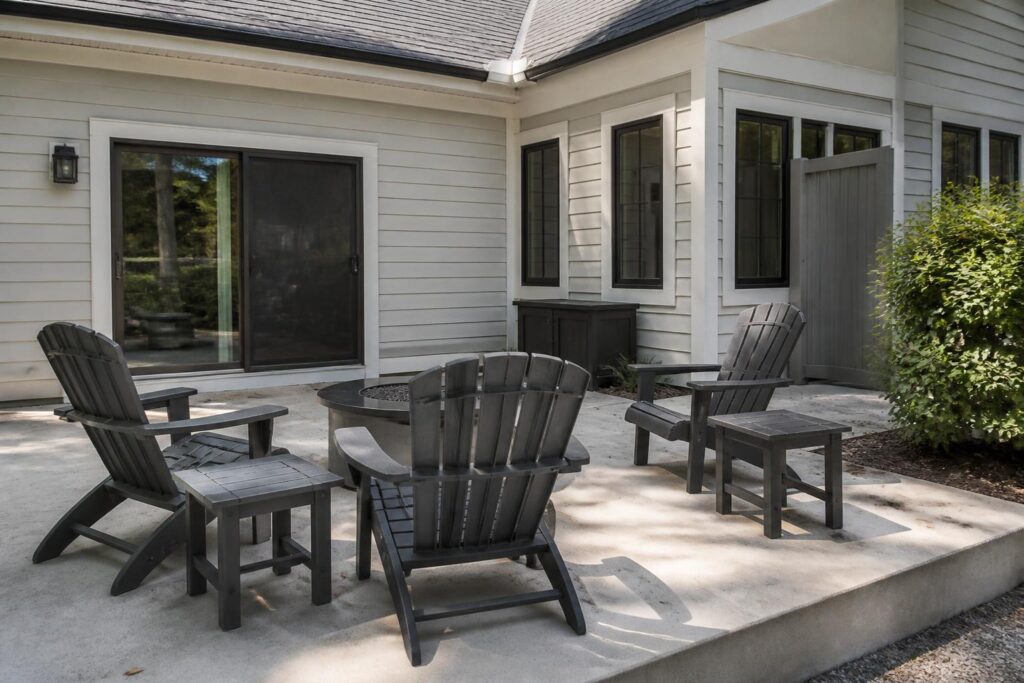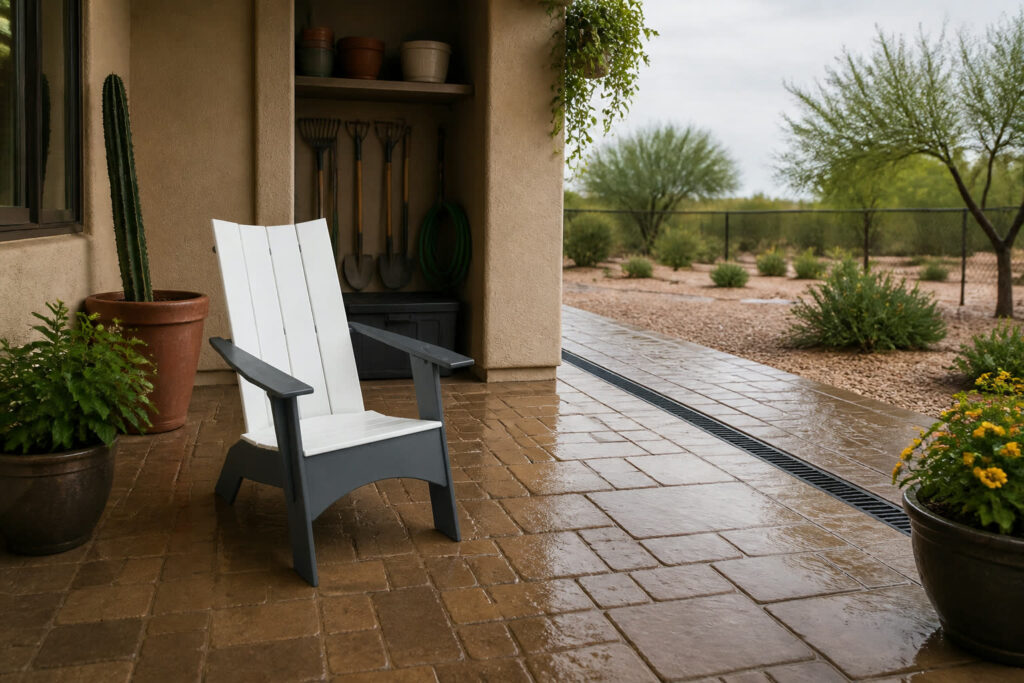
Monsoon season changes how an outdoor space functions in Tucson. A calm patio in the morning can face dust, sudden wind, heavy rain, and scattered debris by evening, so furniture setup matters more than looks once summer storms start building.
This Tucson monsoon patio furniture checklist gives you a practical way to prepare before the season starts, reduce storm-related mess, and make post-storm cleanup easier. The goal is not to overcomplicate your patio. It is to create a simple routine that helps you secure what should be secured, move what should be moved, and inspect what should be checked after each storm.
Start With a Simple Inventory of What Stays Out
Before you worry about wind exposure or drainage, list the pieces that normally live outdoors all season. Include chairs, side tables, stools, dining pieces, planters, umbrellas, and any decorative accessories that can shift in high wind.
It helps to separate your list into three groups:
1. Furniture that needs a storage or approved securing plan
2. Loose accessories that can be moved or stored
3. Items that need inspection after a storm
Record the weight of each piece so you can plan safe handling and storage. PFTG’s Hampton Adirondack Chair weighs 52 lb, the Armless Café Chair 27 lb, the Counter Height Stool 21 lb, and each Hampton end table 15 lb. No one of those weights establishes a wind rating or exempts the furniture from storm preparation.
This first step also helps you identify what does not belong outside during monsoon season. Loose cushions, lightweight decor, lanterns, and freestanding umbrellas often create more work than they are worth when storms become frequent.
Review Wind Exposure Across the Entire Patio
Not every part of a patio experiences monsoon wind the same way. Corners can funnel gusts. Open side yards can become wind channels. Rooflines and walls can create strange pressure points that shift lighter furniture even when the rest of the yard seems calm.
Walk the area and look for the most exposed zones. Pay close attention to:
Open edges facing approaching storms
Gate openings and side passages
Covered patios where wind curls underneath
Pool decks with little windbreak protection
Balconies or elevated spaces with stronger crosswinds
Assign a storage or appropriate securing plan to every loose item before the weather changes. Moving a table against a wall or tucking a stool under an overhang is not, by itself, a securing method. Follow local alerts and the manufacturer’s guidance, and prepare before dangerous conditions arrive.
If your current setup gets full western sun and seasonal storm exposure, our guide to outdoor furniture for Arizona heat can help you think through long-term placement and material choices for the climate.
Check Drainage Before the First Major Storm
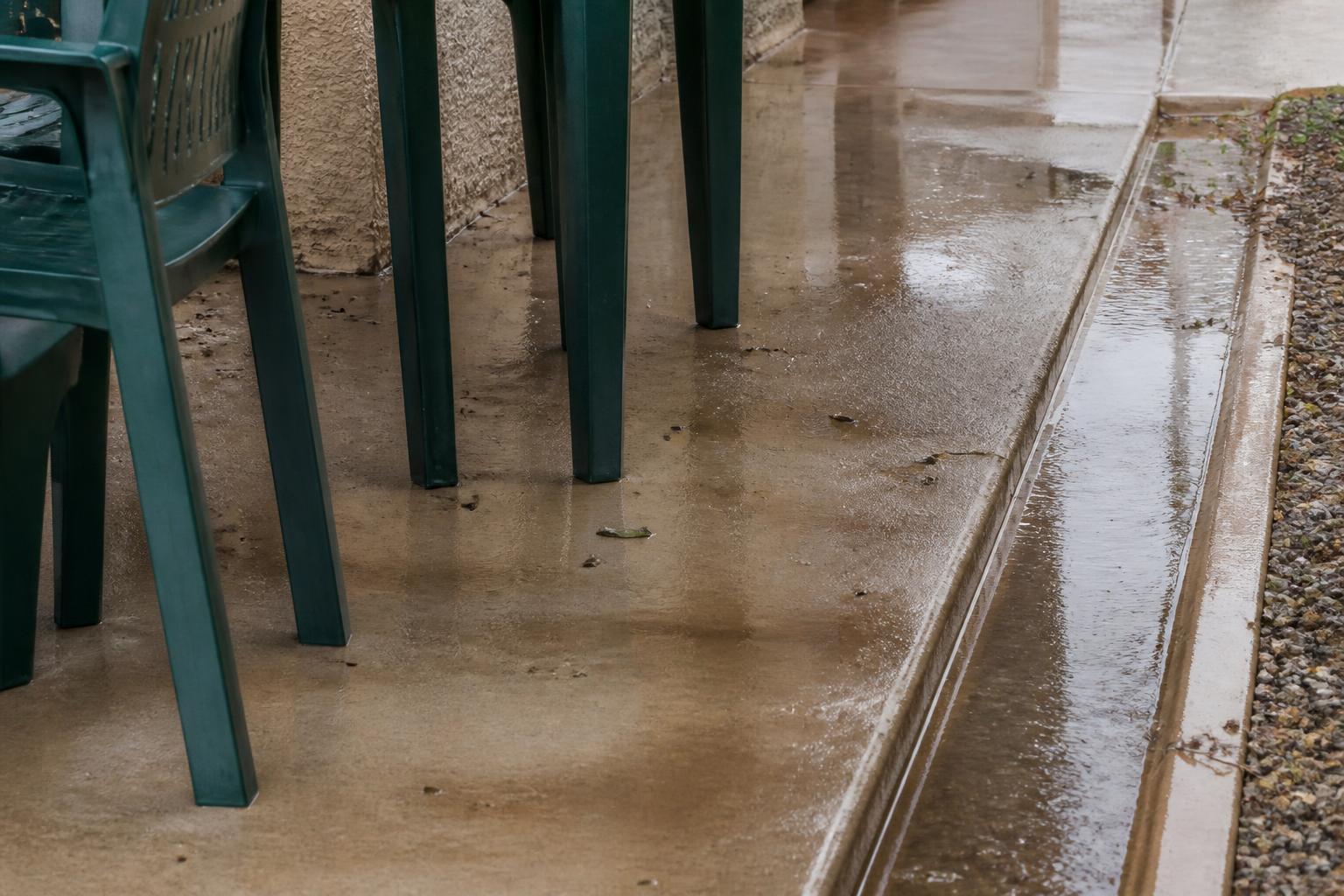
Water problems on patios are usually predictable. The first monsoon downpour just makes them obvious. Before the season starts, hose down the area or look closely after a smaller rain to see where water collects.
Poor drainage can leave behind mineral residue, soaked debris, and dirty runoff that may require cleanup after a storm. Follow the exact product’s care guidance when cleaning it.
Look for these common drainage issues:
Downspouts emptying onto the seating area
Flat concrete that puddles near walls
Scuppers or roof drains splashing onto furniture
Mulch or decomposed granite washing onto the patio
Planters leaking soil into corners
Small changes often help. You may be able to shift a seating group a few feet away from a runoff path, raise planters onto feet, or clear leaves from drain channels before the heavy weather begins. The point is to avoid placing furniture where muddy water or roof runoff lands repeatedly.
Prepare for Dust Before You Prepare for Rain
Tucson storms often announce themselves with blowing dust well before the rain reaches your neighborhood. That means your patio furniture may face grit, fine debris, and wind-driven dirt more often than standing water.
A smart monsoon routine starts with dust control. Remove anything that traps grit or takes too long to clean. Fabric-heavy accessories, textured decor, and open baskets can collect dust fast. Keep the outdoor setup simpler during peak storm months so cleanup stays manageable.
For dust cleanup, follow the exact product’s care instructions. PFTG specifies Marine Grade Polymer and 3/16-inch stainless steel hardware; those facts do not remove the need to inspect surfaces and connections. Ask about an unfamiliar stain or cleaner before using it.
Keep a basic storm-cleanup kit nearby with a soft brush, a bucket, mild soap, and microfiber cloths. After a dust storm, brush off dry debris first. Then rinse or wipe surfaces instead of grinding grit into the finish. That single habit usually makes furniture look better with less effort.
Build a Storage Plan for Moveable Items
You do not need to drag every piece indoors every time clouds form. What helps most is having a written plan for the items that are easiest to move and most likely to shift.
Create a short list of what gets stored when a stronger storm is forecast. Good candidates include:
Lightweight side tables
Counter stools not tucked under a fixed surface
Loose cushions and pillows
Umbrellas and umbrella covers
Small accessories and serving pieces
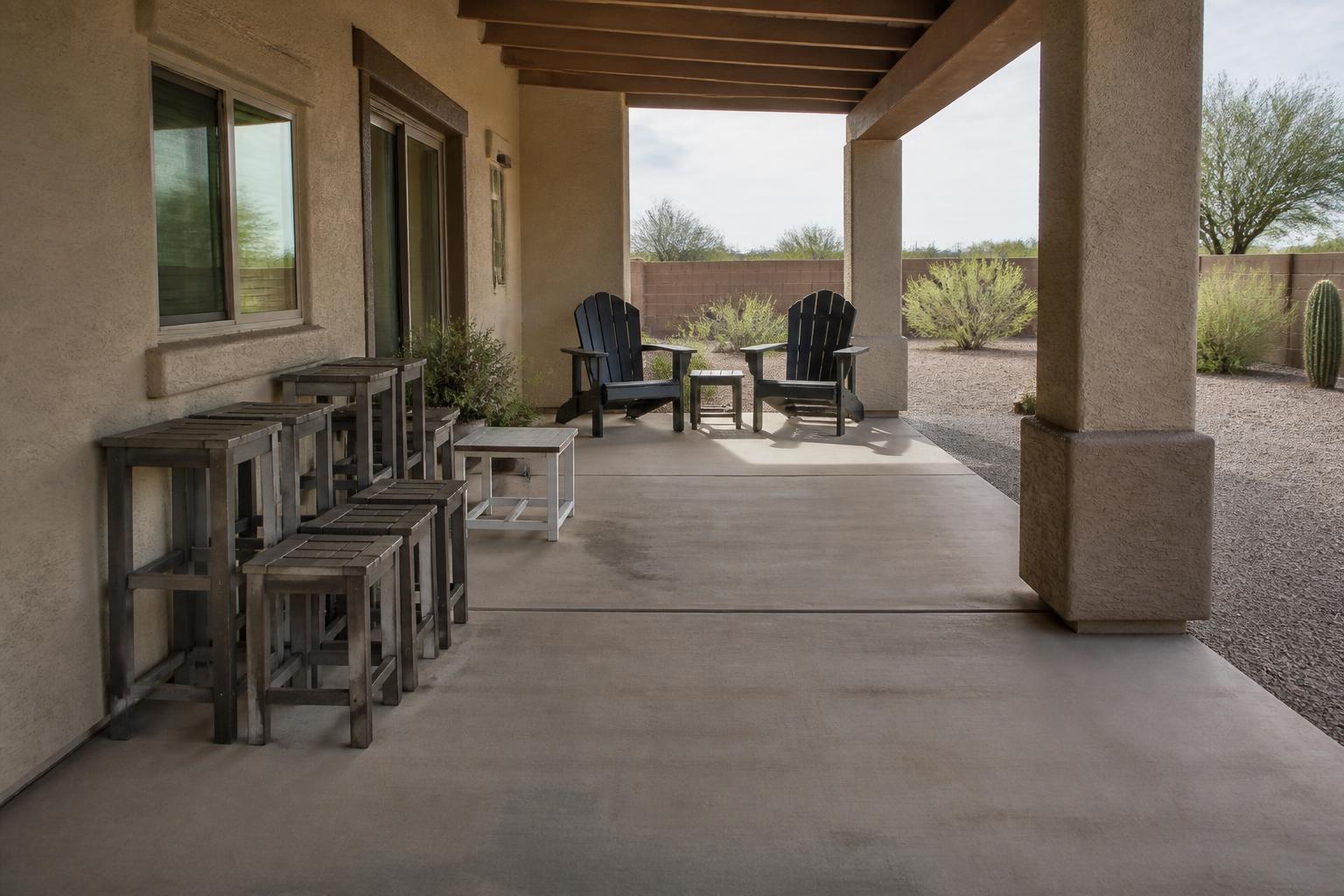
Your storage location should be close enough that the process takes only a few minutes. A garage wall, utility room, or covered storage area works better than a complicated setup across the house. If moving furniture feels like a chore, the routine usually falls apart by mid-season.
Choose storage locations that you can reach safely before storms, and account for every chair, table, stool, and loose accessory. Do not rely on a sheltered-looking wall to keep heavy furniture in place. Follow the National Weather Service’s monsoon guidance and local alerts.
Inspect Hardware, Surfaces, and Stability Before the Season
Pre-season inspection is easier than mid-season repair. Walk around each piece and check for wobble, loose connections, uneven footing, and rough spots where dust and runoff may collect.
Inspect arms, seat supports, legs, and connections for damage or looseness. If a chair rocks unexpectedly or a table is unstable on a suitable level surface, stop using it until the issue is resolved. An inspection supports ordinary use; it does not establish wind resistance.
This is also the right time to wash the furniture thoroughly so you can see its true condition. Clean surfaces reveal small issues that dirt can hide. Look underneath seats and tables too, since storm debris often collects in places you do not notice during daily use.
When comparing replacements, check the actual dimensions, handling needs, and written terms. PFTG offers American-made furniture, free nationwide shipping, and seven-year structural plus five-year fading coverage. Read the policy and care guidance without treating them as a promise of storm performance.
Set a Post-Storm Inspection Routine
The best checklist is one you will actually follow after a storm. Keep this routine short enough that it becomes automatic:
First, remove branches, leaves, and windblown debris from around the furniture.
Second, look for shifted placement, especially near edges, steps, or pool areas.
Third, rinse or wipe off dust, mud splash, and runoff marks before they dry in place.
Fourth, check that table legs and chair feet are still sitting evenly on the patio.
Fifth, inspect hardware and connections if a piece appears to have moved or tipped.
Post-storm checks are also a good time to rethink your layout. If the same end table keeps ending up in a runoff path or the same stool keeps collecting grit, move it permanently. A patio arrangement that looks balanced in spring may need a more protected layout during monsoon months.
You may find it useful to keep a note on your phone or a printed card near the back door. The faster the routine, the more likely you are to stay ahead of dust buildup and avoid larger cleanup days later.
Write a One-Page Monsoon Routine for the Household
One of the easiest ways to reduce storm-season stress is to write down your process. Keep it simple and specific. A good household checklist should answer three questions: what moves, where it goes, and who handles it.
Your written routine might look like this:
Before dangerous weather: Follow local alerts and bring loose furniture and accessories indoors or secure them using suitable manufacturer-approved methods. Include heavier seating as well as small items. Do not wait for hazardous winds to begin.
After dust storms:
Brush off debris.
Wipe high-use surfaces.
Check corners for dirt buildup.
After rain:
Inspect drainage areas.
Rinse mud splash from legs and feet.
Return moved pieces only after the patio dries.
This kind of plan is especially helpful for second homes, rental properties, or shared family spaces where different people may be resetting the patio from week to week. Clear steps keep the furniture protected and the space usable, even when monsoon weather becomes unpredictable.
Frequently Asked Questions
Should I bring all patio furniture indoors for every Tucson monsoon storm?
Do not use weight alone to decide what can stay outside. Include every loose item in your storage or appropriate securing plan, follow local warnings, and prepare early. Once conditions are dangerous, staying sheltered takes priority over moving furniture.
What is the biggest monsoon-season problem for patio furniture in Tucson?
Dust is often the most frequent issue, followed by wind-driven debris and poor drainage. Heavy rain gets attention, but repeated dust events and muddy runoff usually create more day-to-day cleanup on a Tucson patio.
How often should I inspect outdoor furniture during monsoon season?
Do a full inspection before the season starts, then perform a quick check after any significant storm. If your patio gets frequent dust, strong gusts, or roof runoff, a short weekly look at hardware, stability, and placement is a good habit.
What should I look for when choosing furniture for this climate?
Compare the published material, hardware, weight, dimensions, care guidance, and written coverage for each item. Marine Grade Polymer and 3/16-inch stainless steel hardware are confirmed specifications, but they do not establish a wind or storm rating.
If you are updating your patio before the next storm cycle, shop Plastic Furniture To Go for American Made outdoor furniture with free nationwide shipping, or send questions through the contact form for help choosing pieces that fit your layout.