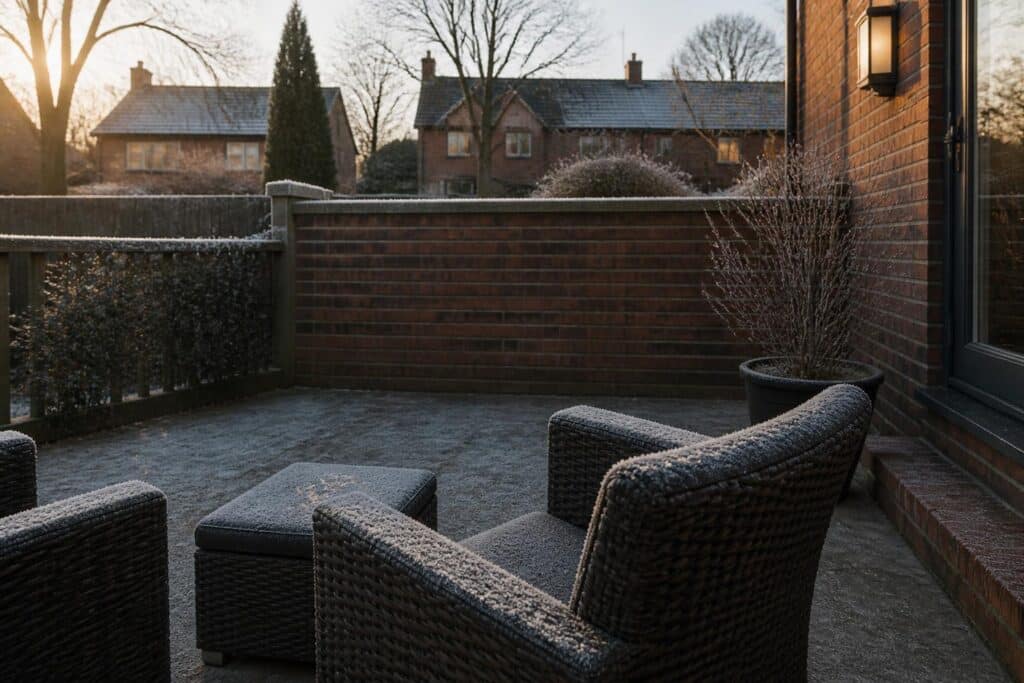
Learning to remove stains from plastic patio furniture is one of those small skills that pays off every season. A single dropped popsicle, a summer of sunscreen transfer, or a pile of wet leaves left over the winter can leave marks that look permanent – but most of them aren’t. With the right approach and a little patience, you can lift sunscreen streaks, tannin shadows from oak leaves, berry splatters, grease from the grill, and even mildew, all without dulling the finish or leaving cloudy patches. This guide walks you through what causes each type of stain, which household supplies actually work, and how to protect your chairs and tables so the same marks don’t come back next year.
Understand What You’re Cleaning Before You Scrub
Modern outdoor plastic furniture isn’t the flimsy patio stuff from decades ago. Most quality pieces today are made from dense, UV-stabilized polymers – the color runs all the way through the material rather than sitting on the surface as paint. That’s good news when you need to remove stains from plastic patio furniture, because you can scrub with more confidence than you could on painted metal or stained wood. But it also means the surface has a specific texture (often a subtle woodgrain or matte finish) that can be dulled if you use the wrong abrasive.
Before you reach for anything harsh, identify what kind of stain you’re dealing with:
- Organic stains: leaves, berries, pollen, bird droppings, grass, mildew. These respond to mild soaps, oxygen bleach, or diluted chlorine bleach.
- Oil-based stains: sunscreen, bug spray, grill grease, salad dressing, suntan lotion. These need a degreaser – dish soap, a citrus cleaner, or in stubborn cases, a paste that lifts oil.
- Tannin stains: tea, coffee, red wine, oak or maple leaf shadows. Oxygen bleach (like sodium percarbonate powder) tends to work well.
- Ground-in dirt and scuffs: shoe marks, planter rings, general grime. A magic eraser or a soft nylon brush usually handles these.
Skip anything gritty. Steel wool, scouring powders with pumice, or stiff wire brushes will leave dull scratches that trap future dirt and are almost impossible to reverse.

The Everyday Cleaning Routine That Prevents Most Stains
Prevention does more work than any stain remover. A quick wipe-down every couple of weeks stops sunscreen, pollen, and food residue from bonding to the surface in the first place. Once those substances sit through a few heat cycles – warming in the sun, cooling overnight – they migrate into the microscopic texture of the plastic and become far harder to lift.
The routine is straightforward. Mix about a tablespoon of dish soap into a gallon of warm water. Use a soft sponge or a microfiber cloth, wipe every surface (including the underside of arms and the back edges where hands touch), and rinse with a garden hose. On a warm, breezy day the furniture will air-dry in 15 to 20 minutes. That’s the whole task.
For light seasonal buildup, add a half cup of white vinegar to the same bucket. Vinegar cuts through hard-water spots and mineral deposits left by sprinklers, and it slows mildew growth in humid regions. It’s mild enough to use every time without any risk of finish damage.
If you’re setting up a new outdoor space and want pieces that clean up easily year after year, browse the full collection to see chairs and tables designed for low-maintenance outdoor living. A five-minute rinse each month is a lot easier than an hour of stain removal each spring.
Tackling Sunscreen, Bug Spray, and Oil-Based Stains
Sunscreen is the number-one complaint people have about outdoor plastic furniture. The oils and avobenzone in modern sunscreens react with UV light and warm plastic surfaces, leaving yellowish or orange-tinged marks that dish soap alone often can’t budge. Bug spray with DEET behaves similarly and can leave a faint hazy patch.
The dish soap and baking soda method
Mix a couple of tablespoons of baking soda with just enough dish soap to make a thick paste. Spread it directly on the stain with your fingers or a soft cloth, and let it sit for 10 to 15 minutes. The baking soda gives you gentle mechanical lift while the soap breaks down the oil. Scrub in small circles with a soft-bristled brush – an old toothbrush works well for edges and crevices – then rinse thoroughly.
Stepping up to a degreaser
If the paste isn’t enough, try a citrus-based degreaser or a spray like the kind sold for kitchen range hoods. Test a small hidden area first, apply, wait five minutes, and scrub. Rinse well and let the surface dry completely before judging the result – wet plastic often looks darker than it will once dry.
What to do with set-in yellowing
For stains that have been baking in the sun for a full season, a diluted solution of oxygen bleach (about a quarter cup of powder per gallon of warm water) applied with a sponge and left on for 20 minutes can lift discoloration that resists everything else. Rinse thoroughly. Avoid mixing bleach products with any acidic cleaner like vinegar.
Removing Leaf Shadows, Berry Splatter, and Tannin Stains
Anyone with oak, maple, walnut, or mulberry trees nearby knows the frustration of finding leaf-shaped shadows etched onto chair seats after a rainy week. These are tannin stains – the same brown compounds that make tea dark. They soak into the surface as leaves decompose against damp plastic, and simple soap won’t touch them.
Oxygen bleach is your friend here. Unlike chlorine bleach, it’s color-safe, less harsh on adjacent lawn and plants, and specifically formulated to break down organic pigments. Mix according to the package instructions (usually one to two scoops per gallon of warm water), apply with a sponge, and let it dwell for 15 to 30 minutes. Keep the surface damp – if it dries out mid-treatment, mist it with more solution. Then scrub lightly and rinse.
For berry stains (mulberry, blackberry, blueberry) that hit while still fresh, blot immediately with a paper towel, then treat with the oxygen bleach solution the same way. Fresh berry pigment lifts far more easily than dried.
Bird droppings deserve fast action too. The uric acid in droppings can etch a faint mark into any surface if left for weeks. Scrape off any solid material with a plastic putty knife (never metal), then wash with soapy water. If a shadow remains, follow up with the oxygen bleach treatment.
A note on chlorine bleach: it works, but use it sparingly. A solution of one part household bleach to ten parts water can knock out stubborn mildew and deep tannin marks, but repeated use on colored plastic may eventually cause slight fading. For a deeper look at how bleach and other cleaners affect stormwater when they rinse off your patio, the EPA has practical guidance on household cleaner disposal that’s worth a quick read before you soak everything down.
Mildew, Mold, and Winter Storage Marks
If you live in a humid climate or store furniture stacked in a shed or garage over winter, you may pull chairs out in spring to find black speckling, green film, or musty-smelling patches. That’s mildew – a surface fungus that thrives wherever moisture, warmth, and shade overlap.
The good news is mildew rarely damages quality plastic furniture; it just looks unpleasant. Mix a solution of one cup of white vinegar per gallon of warm water for light cases, or one part chlorine bleach to ten parts water for heavier growth. Apply with a sponge, work it in with a soft brush, let it sit for 10 minutes, and rinse. Do this outdoors in the shade on a still day, wearing gloves and eye protection, and keep the solution off nearby lawn if possible.
To prevent it next winter:
- Clean every piece thoroughly before storing – even faint food or drink residue feeds mildew.
- Let everything dry completely for at least a full sunny day before covering or stacking.
- Store in a location with some airflow. A sealed plastic tarp against damp concrete is worse than an open corner of a garage.
- If you use covers, choose breathable fabric covers rather than solid plastic sheeting that traps condensation.
Compact pieces like the Armless Café Chair are easy to stack and tuck away, which makes proper winter storage far less of a chore – and dramatically reduces the amount of stain removal you’ll do in April.
Protecting the Finish So Stains Don’t Come Back
Once your furniture looks clean, a few habits will keep it that way. First, address spills within an hour whenever possible. A quick wipe with a damp cloth stops most stains from ever setting. Keep an old cloth in a bin near your patio for exactly this purpose.
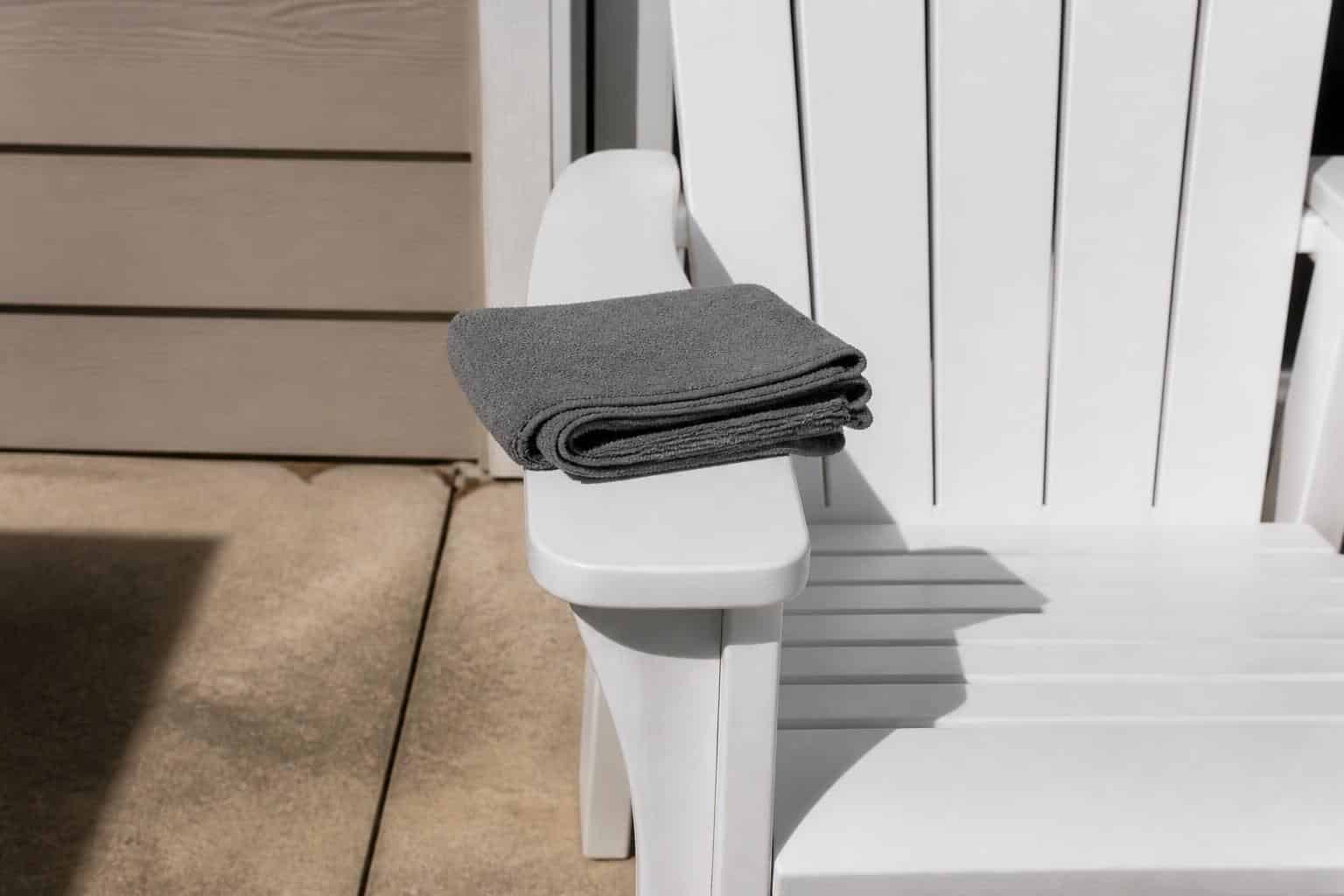
Second, watch for sunscreen transfer. If you or your guests regularly apply sunscreen and then sit down, consider draping a light towel over the seat, or wiping the chair with soapy water at the end of each day during peak summer. This one habit alone eliminates the most stubborn stain category.
Third, reposition furniture occasionally. Chairs and tables that sit in the exact same spot all season develop rings from planters, uneven fading, and concentrated leaf debris. Rotating pieces even a few feet every month or two evens out sun exposure and prevents debris from piling up in the same seams.
Finally, skip the pressure washer on high settings. A pressure washer set above about 1,200 PSI, held close to the surface, can strip the matte texture from quality outdoor plastic and leave shiny, permanently altered patches. If you use one, keep it on a wide fan tip, hold it at least 18 inches away, and treat it like a rinse tool rather than a scrubbing tool.
Frequently Asked Questions
Can I use a magic eraser on plastic patio furniture?
Yes, melamine foam erasers work well on scuffs, shoe marks, and stubborn dirt patches. Wet the eraser, wring out excess water, and rub gently in small sections. Because melamine foam is mildly abrasive at the microscopic level, avoid heavy scrubbing on textured or matte finishes, and don’t use it over large areas repeatedly – stick to spot treatment. Rinse the area afterward and let it dry to check the result.
Will vinegar damage colored plastic furniture?
Diluted white vinegar (about one cup per gallon of water) is safe for regular use on colored outdoor plastic. It won’t fade pigments that run through the material and is gentle enough for weekly cleaning. Undiluted vinegar left to sit for hours could potentially dull a very glossy finish over time, so always dilute it and rinse after cleaning. Never mix vinegar with bleach – the combination releases toxic chlorine gas.
How do I remove rust marks left by metal planters or grills?
Sprinkle a paste of baking soda and a few drops of lemon juice directly on the rust mark, let it sit for 15 minutes, and scrub gently with a soft brush. For deeper rust transfer, a commercial rust remover formulated for fabrics or plastics (never one designed for bare metal) can help – test in a hidden area first. Going forward, place felt pads or coasters under any metal object that sits on plastic surfaces.
Is it safe to use a pressure washer to clean outdoor plastic furniture?
You can, but keep the pressure low – ideally under 1,500 PSI – and use a wide fan tip held at least 18 inches from the surface. Treat it as a rinse rather than a scrub. Too much pressure held too close can strip the surface texture, leave shiny patches, or force water into any hardware seams. For most cleaning tasks, a garden hose with a spray nozzle does the job with far less risk.
When your patio is ready for pieces that shrug off summer sunscreen, autumn leaves, and everything in between, take a look at what Plastic Furniture To Go offers. Every chair and table is American made and shipped factory-direct with free nationwide shipping, so you can refresh your outdoor space without hunting through a warehouse or paying markup at a big-box store. Start with the full lineup, and if you have questions about a specific piece or a stain you can’t crack, reach out through the contact page – we’re happy to help you find the right fit for your yard.